Gleizds’ Method
Jānis Gleizds (1924-2010), the official photographer of the Traumatology and Orthopaedics Institute of Soviet Latvia and a distinguished figure in Photo Club Rīga, crafted skillfully constructed images using a unique “invasive” approach. The photobook Gleizds’ Method offers an intriguing portrait of the artist, showcasing his mastery of photography techniques while honoring his inner resilience in overcoming physical limitations. Documented through test prints, retouched double positives, and collaged negatives, his process reflects the meticulous nature of his work, shaped by his professional experiences.
Edition of 700
In Latvian, Latgalian and English
Hardcover
230 x 295 mm
190 pages, Insert in English 24 pages, 133 images
ISBN 978-9934-591-24-2
After suffering frostbite at the age of 24, the photographer lost both of his hands. This life-changing event brought Jānis Gleizds to Riga, where he underwent a series of surgeries, learned to use specially designed tools, became a photographer, and, dedicating his free time to creative photography, mastered sophisticated photographic processes. Jānis Gleizds' most creative period unfolded in the 1960s and 1970s in Riga, a time marked by societal changes amidst the conservative backdrop of the USSR. And “While the European mass culture icon Brigitte Bardot was singing 'Naked in the sun. Completely,' the enchanting nymphs of the Photo Club Rīga were 'becoming one with nature' in meadows, swamps, or snow, challenging Soviet ideology,” notes the sequence editor, Anna Volkova. In the photo club, only black and white photography was considered art; hence, Jānis Gleizds' colour photos did not get displayed in exhibitions. Nonetheless, the photographer continued to experiment with color, playing with light-diffusing prisms and lenses. This publication offers an opportunity to explore the artist’s legacy through some of his colour slides and the photographer's sketches and test print copies of his work.
Photography: Jānis Gleizds
Sequence and editorial introduction: Anna Volkova
Descriptions of Jānis Gleizds’ techniques: Vladimirs Svetlovs
Essay: Liāna Ivete Žilde
Afterwords: Igors Pličs
Book design: Toms Mrazauskas
Translations: Liāna Ivete Žilde, Will Mawhood, Max Sher
Published in collaboration with the Latgale Photographers' Association.
Supported by the State Cultural Capital Foundation; Orbīta
The publication dedicated to Gleizds seems valuable primarily because, by presenting the creative process and professional work of a single photographer, it offers a broader overview of the tendencies of the period, as well as insight into the history of Latvian photography associated with photo-club aesthetics and the “search for beauty.”
Vika Eksta, Meistars, mūza un orgasms, FKmagazine
(translated from Latvian by ChatGPT)
For a moment, abstracting from the book’s texts and the history of photography in Latvia, I read The Gleizda Method as a science-fiction visual story, in which the search for the ideal of beauty leads to a cyborg-superwoman. It begins with a prologue of notes and naïve sketches, revealing a narrator obsessed with beauty. He develops instruments specifically for this work, has submissive beings for experiments, and constructs his ideal from separate parts of beauty. The purpose of his creations is to serve pleasure and live in isolation, becoming nymphs in eternal summer. However, the experimental beings decide to leave their creator and discover the outside world. The ending is unclear—is the encounter with the dwarf motorcyclists a game of desire, or a struggle between nature and progress?
Līga Goldberga, Meistars un nazis: fotogrāfa Jāņa Gleizda fantasmagorija, Satori.lv
(translated from Latvian by ChatGPT)
Gleizds’ Method
Jānis Gleizds (1924-2010), the official photographer of the Traumatology and Orthopaedics Institute of Soviet Latvia and a distinguished figure in Photo Club Rīga, crafted skillfully constructed images using a unique “invasive” approach. The photobook Gleizds’ Method offers an intriguing portrait of the artist, showcasing his mastery of photography techniques while honoring his inner resilience in overcoming physical limitations. Documented through test prints, retouched double positives, and collaged negatives, his process reflects the meticulous nature of his work, shaped by his professional experiences.
Edition of 700
In Latvian, Latgalian and English
Hardcover
230 x 295 mm
190 pages, Insert in English 24 pages, 133 images
ISBN 978-9934-591-24-2
After suffering frostbite at the age of 24, the photographer lost both of his hands. This life-changing event brought Jānis Gleizds to Riga, where he underwent a series of surgeries, learned to use specially designed tools, became a photographer, and, dedicating his free time to creative photography, mastered sophisticated photographic processes. Jānis Gleizds' most creative period unfolded in the 1960s and 1970s in Riga, a time marked by societal changes amidst the conservative backdrop of the USSR. And “While the European mass culture icon Brigitte Bardot was singing 'Naked in the sun. Completely,' the enchanting nymphs of the Photo Club Rīga were 'becoming one with nature' in meadows, swamps, or snow, challenging Soviet ideology,” notes the sequence editor, Anna Volkova. In the photo club, only black and white photography was considered art; hence, Jānis Gleizds' colour photos did not get displayed in exhibitions. Nonetheless, the photographer continued to experiment with color, playing with light-diffusing prisms and lenses. This publication offers an opportunity to explore the artist’s legacy through some of his colour slides and the photographer's sketches and test print copies of his work.
Photography: Jānis Gleizds
Sequence and editorial introduction: Anna Volkova
Descriptions of Jānis Gleizds’ techniques: Vladimirs Svetlovs
Essay: Liāna Ivete Žilde
Afterwords: Igors Pličs
Book design: Toms Mrazauskas
Translations: Liāna Ivete Žilde, Will Mawhood, Max Sher
Published in collaboration with the Latgale Photographers' Association.
Supported by the State Cultural Capital Foundation; Orbīta
The publication dedicated to Gleizds seems valuable primarily because, by presenting the creative process and professional work of a single photographer, it offers a broader overview of the tendencies of the period, as well as insight into the history of Latvian photography associated with photo-club aesthetics and the “search for beauty.”
Vika Eksta, Meistars, mūza un orgasms, FKmagazine
(translated from Latvian by ChatGPT)
For a moment, abstracting from the book’s texts and the history of photography in Latvia, I read The Gleizda Method as a science-fiction visual story, in which the search for the ideal of beauty leads to a cyborg-superwoman. It begins with a prologue of notes and naïve sketches, revealing a narrator obsessed with beauty. He develops instruments specifically for this work, has submissive beings for experiments, and constructs his ideal from separate parts of beauty. The purpose of his creations is to serve pleasure and live in isolation, becoming nymphs in eternal summer. However, the experimental beings decide to leave their creator and discover the outside world. The ending is unclear—is the encounter with the dwarf motorcyclists a game of desire, or a struggle between nature and progress?
Līga Goldberga, Meistars un nazis: fotogrāfa Jāņa Gleizda fantasmagorija, Satori.lv
(translated from Latvian by ChatGPT)
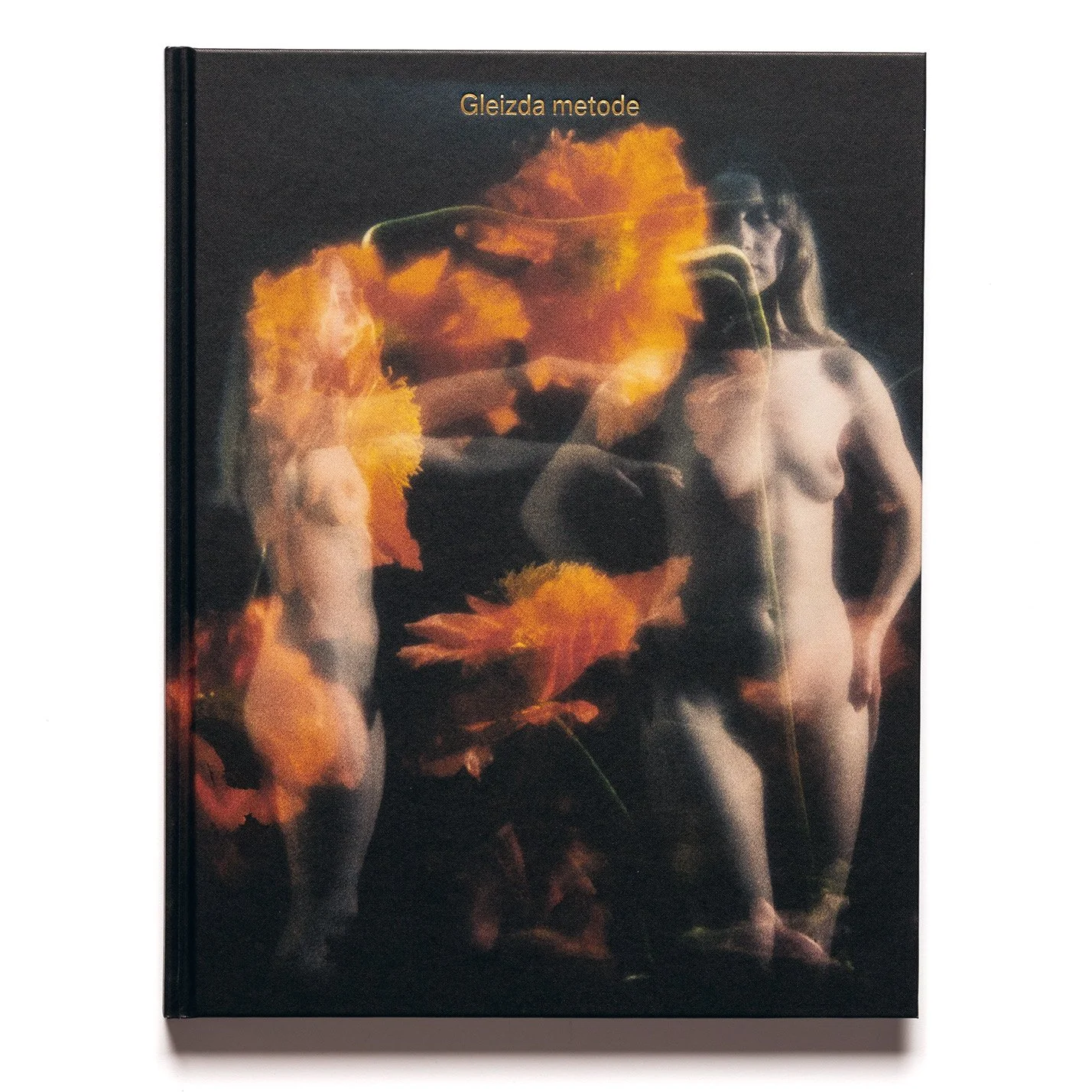 Image 1 of 10
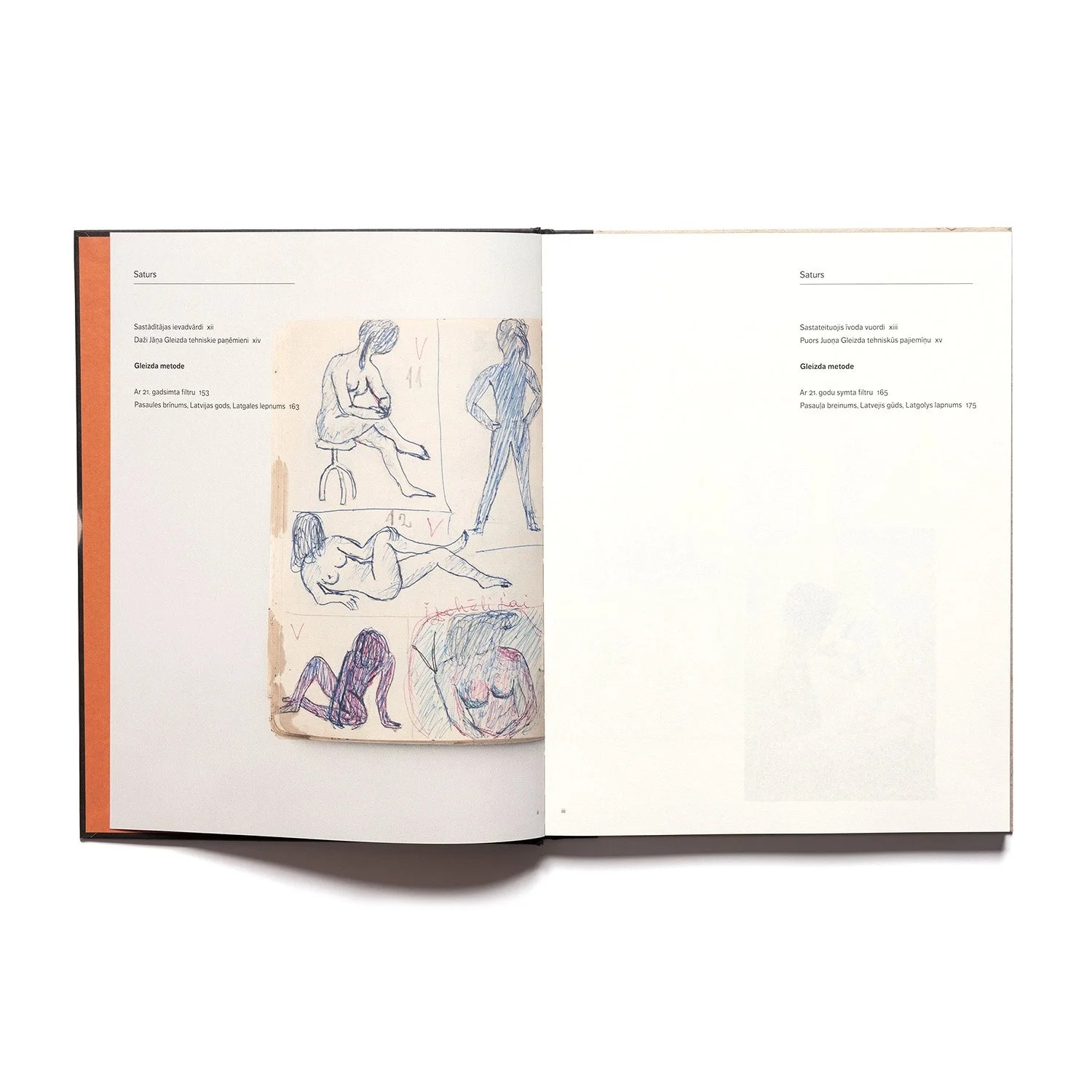 Image 2 of 10
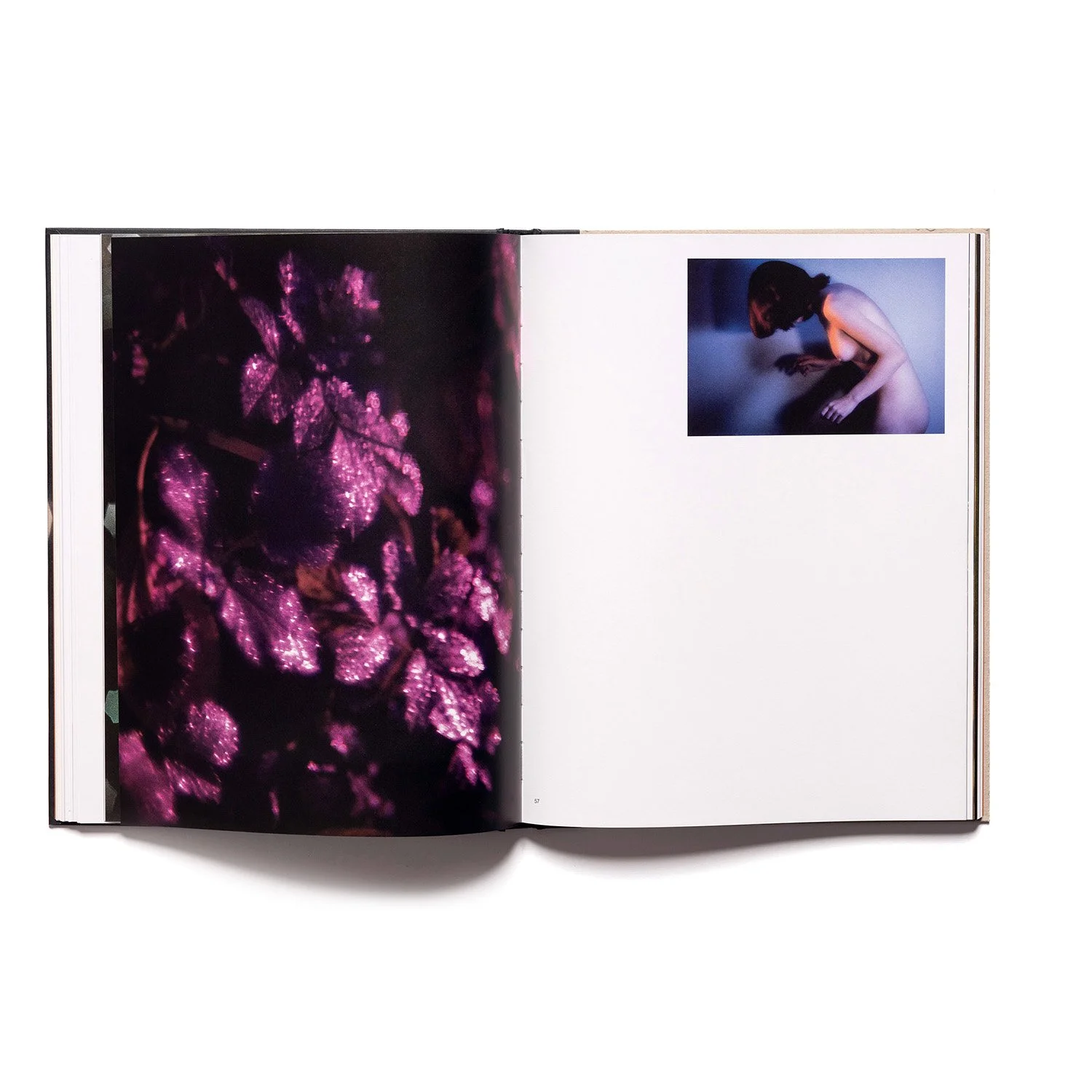 Image 3 of 10
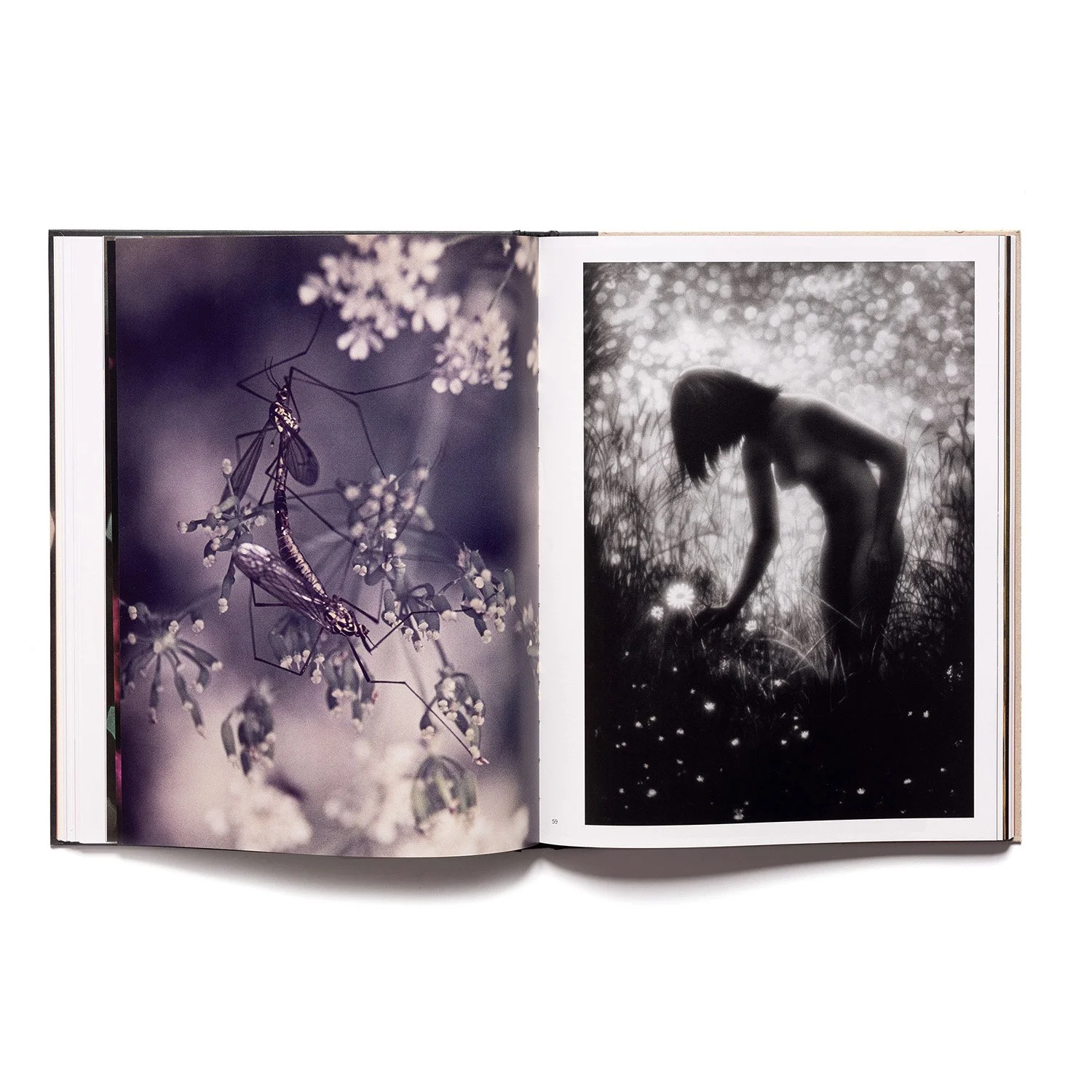 Image 4 of 10
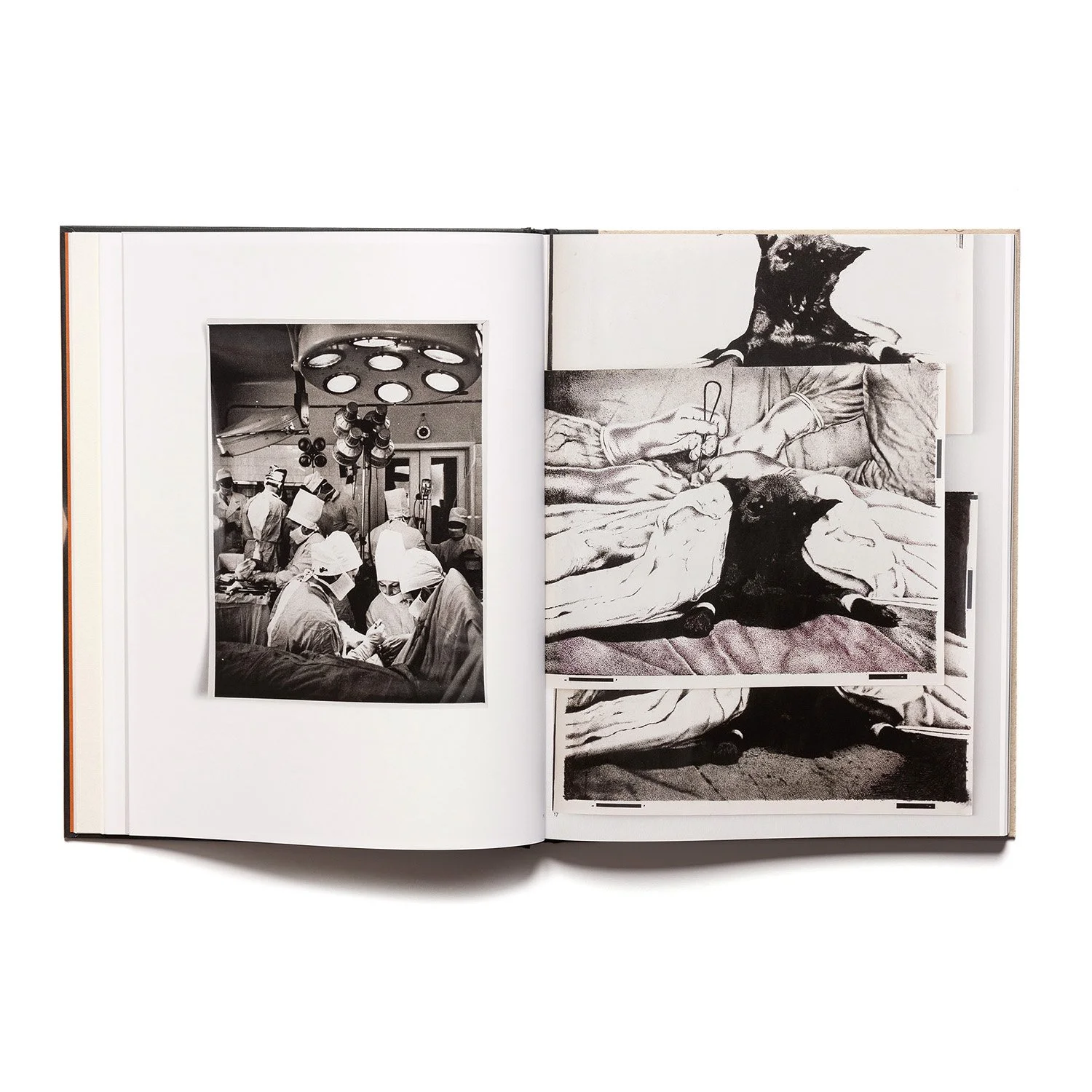 Image 5 of 10
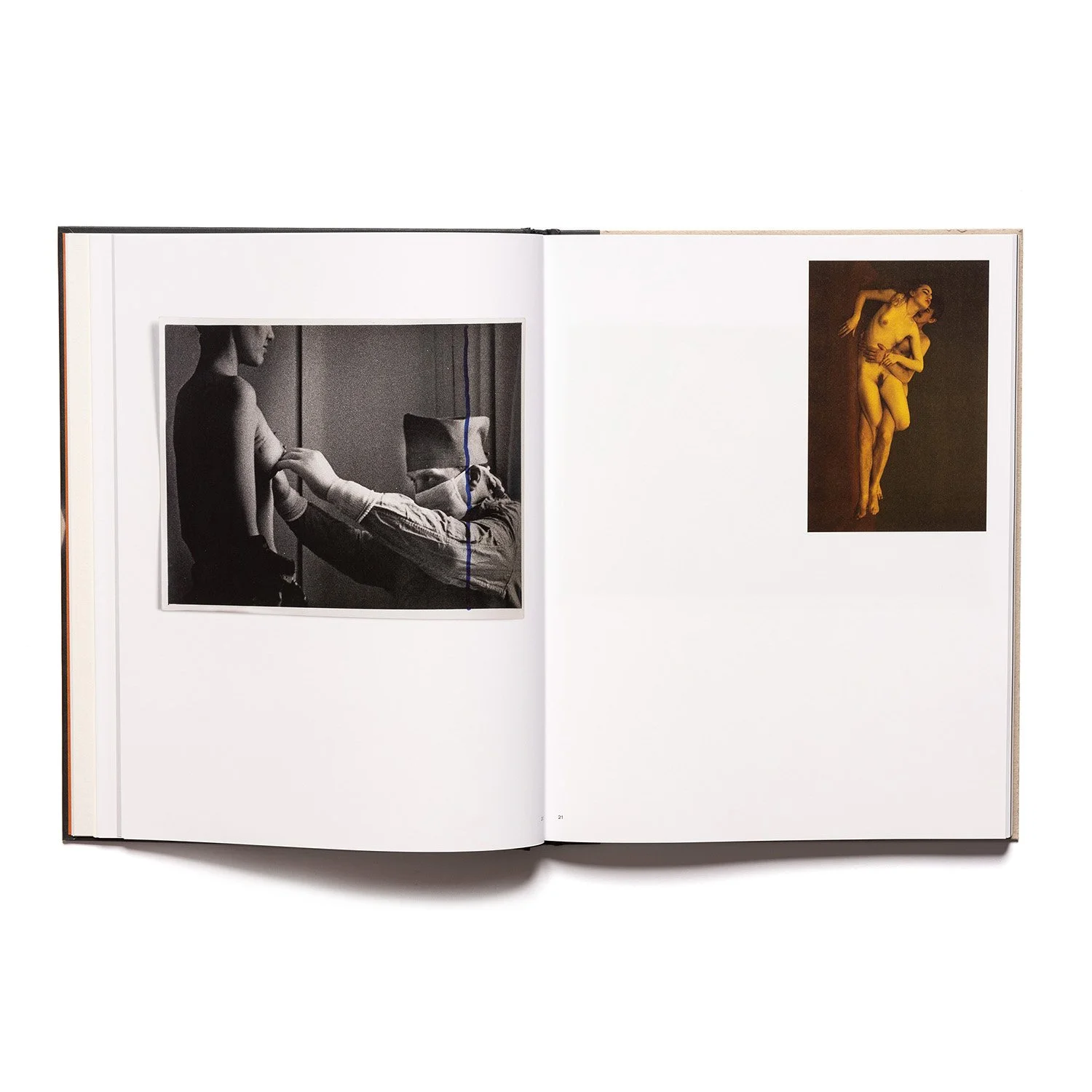 Image 6 of 10
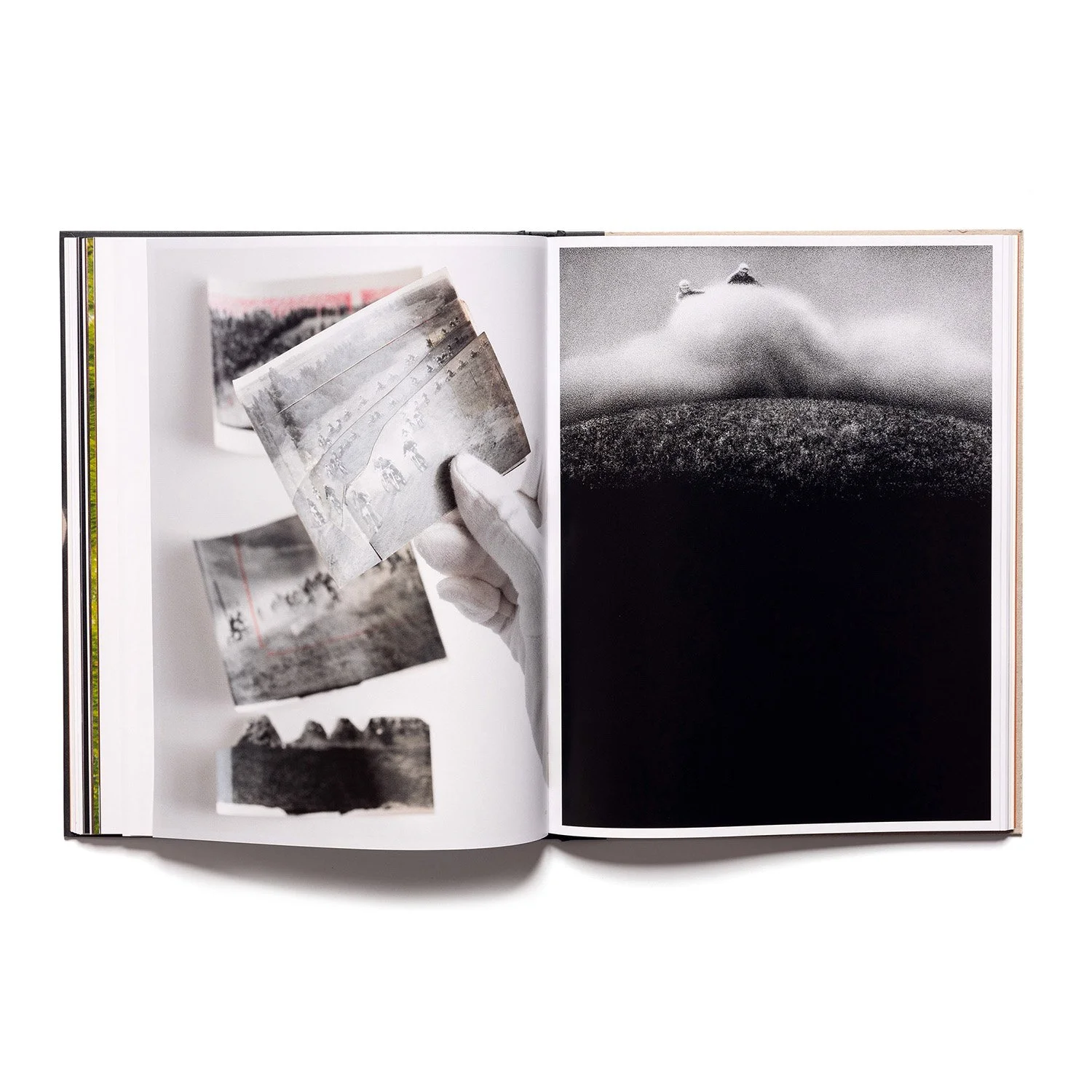 Image 7 of 10
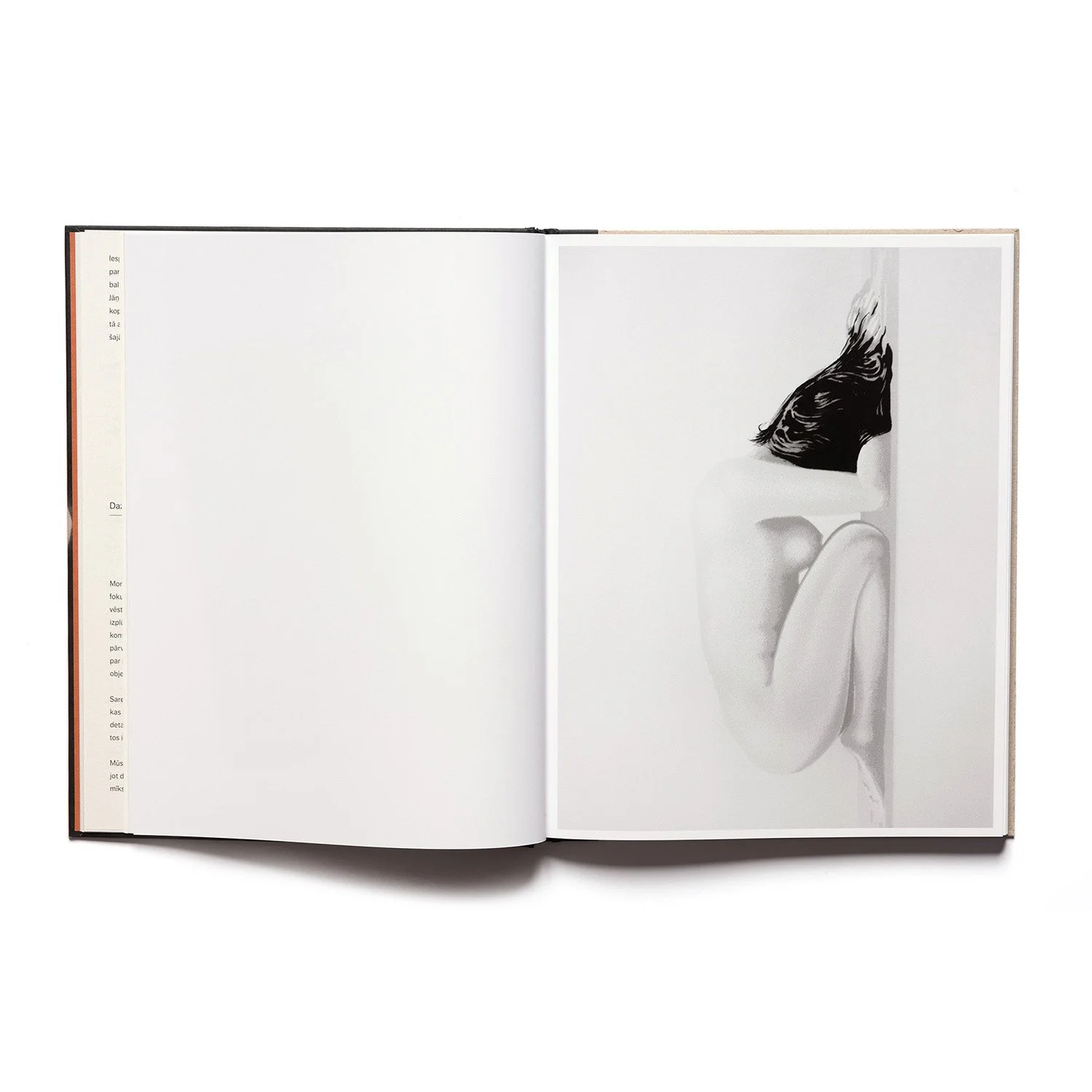 Image 8 of 10
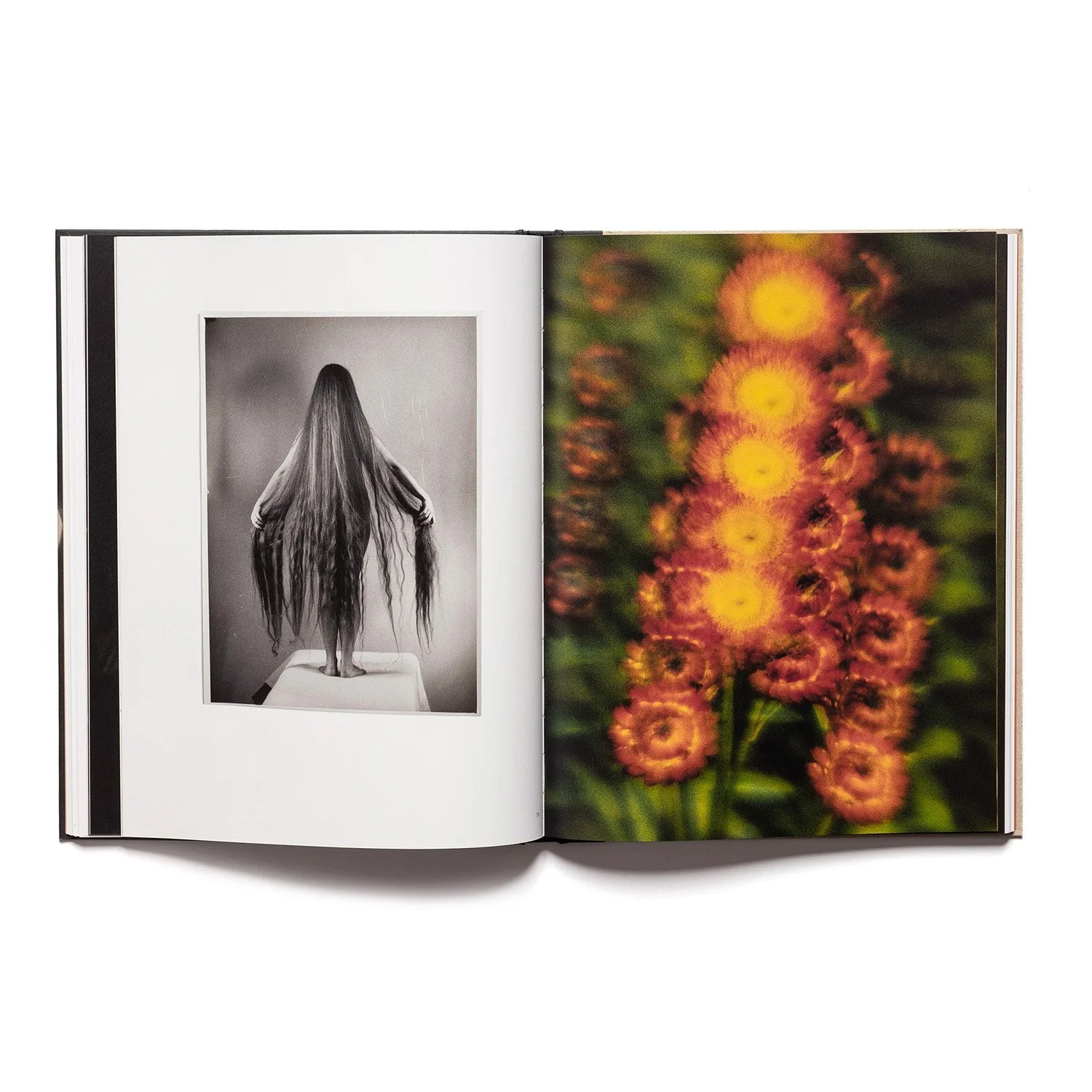 Image 9 of 10
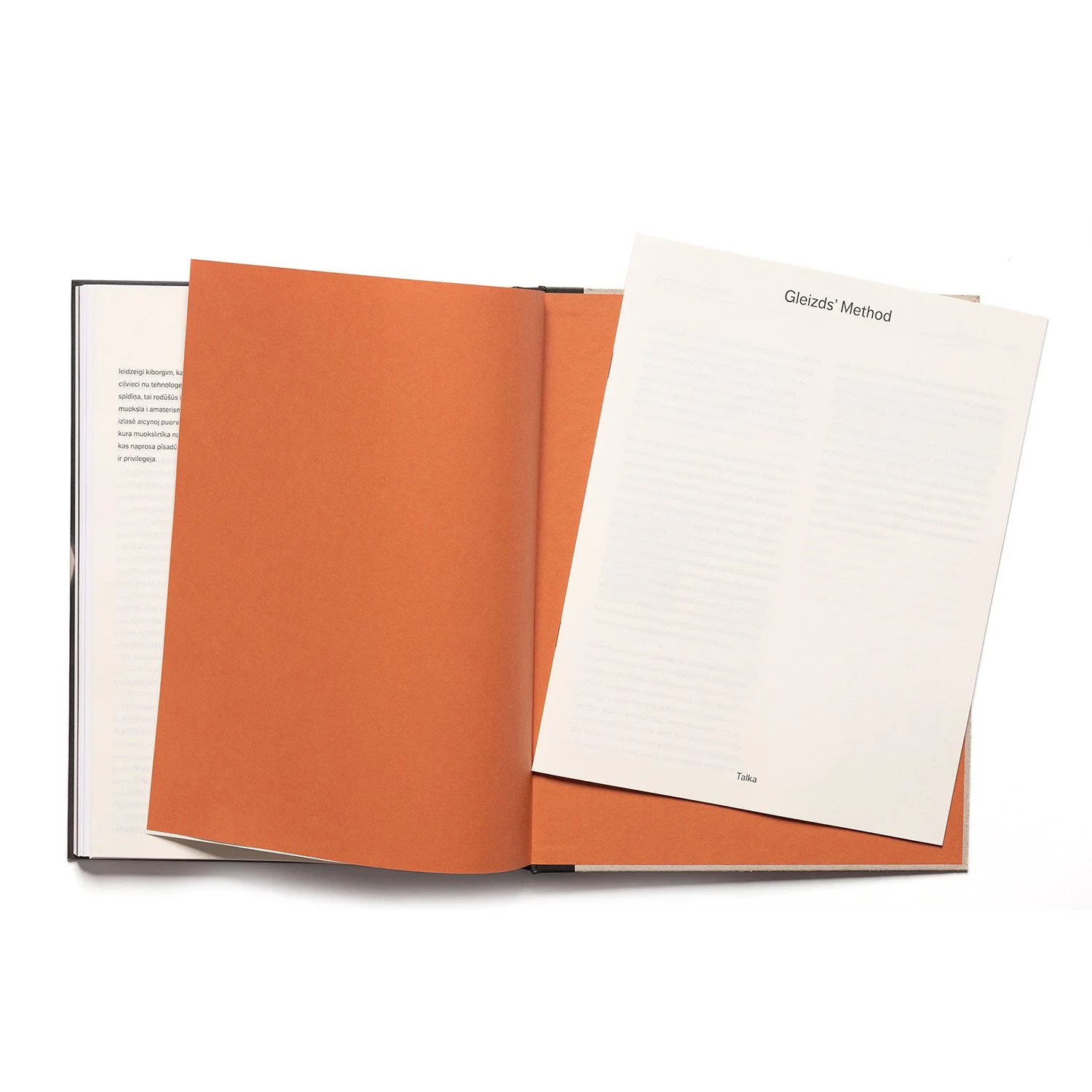 Image 10 of 10