EXHIBITION
November 22, 2024–June 1, 2025
Gleizds, Paper, Scissors
Curators: Anna Volkova, Vladimirs Svetlovs
Exhibition Design and Architecture: Līva Kreislere
Visual Identity and Graphic Design: Līva Rutmane
The Production Team:
Project management by Gerda Čevere
Head of Communications: Ilze Sirmā
Curator of the satellite programme: Dace Čaure
Head of Collection’s Public Access programmes: Antra Skripste
Latvian text editors: Kaspars Vanags, Vents Zvaigzne
Latvian text proofreader: Ilze Jansone
English translator: Sabīne Ozola
Image digitization: Igors Pličs,Vladimirs Svetlovs
Image retouching by Elena Kononova
Colour correction by Anna Volkova
Image processing by Vladimirs Svetlovs
Technical installation of the exhibition:
Ansis Bergmanis (technical solutions), Evija Berga (textile design), Aldis Bušs (BMD Design), Romāns Medvedevs (Gaismu cehs), Magnum NT, Posmaster, Master Glass, FinePrint, VPT Grupa, Reklāmu darbnīca PLUS, Vasaris, Skaistāk Print House
Thank you to our collaborators:
Latgale Photographers’ Association and Igors Pličs personally; Nautrēni Centre for Cultural History; Latvian State Archive of Audiovisual Documents; ARS Medical Company; Radiology Institute of Pauls Stradiņš Clinical University Hospital; Latvian Centre for Contemporary Art; Orbita Association; Hospital of Traumatology and Orthopaedics; Jēpis; Didzis Veinbergs
Supporters:
State Culture Capital Foundation, Riga City Council, Samsung, Support Society for Medical Museums, Antalis
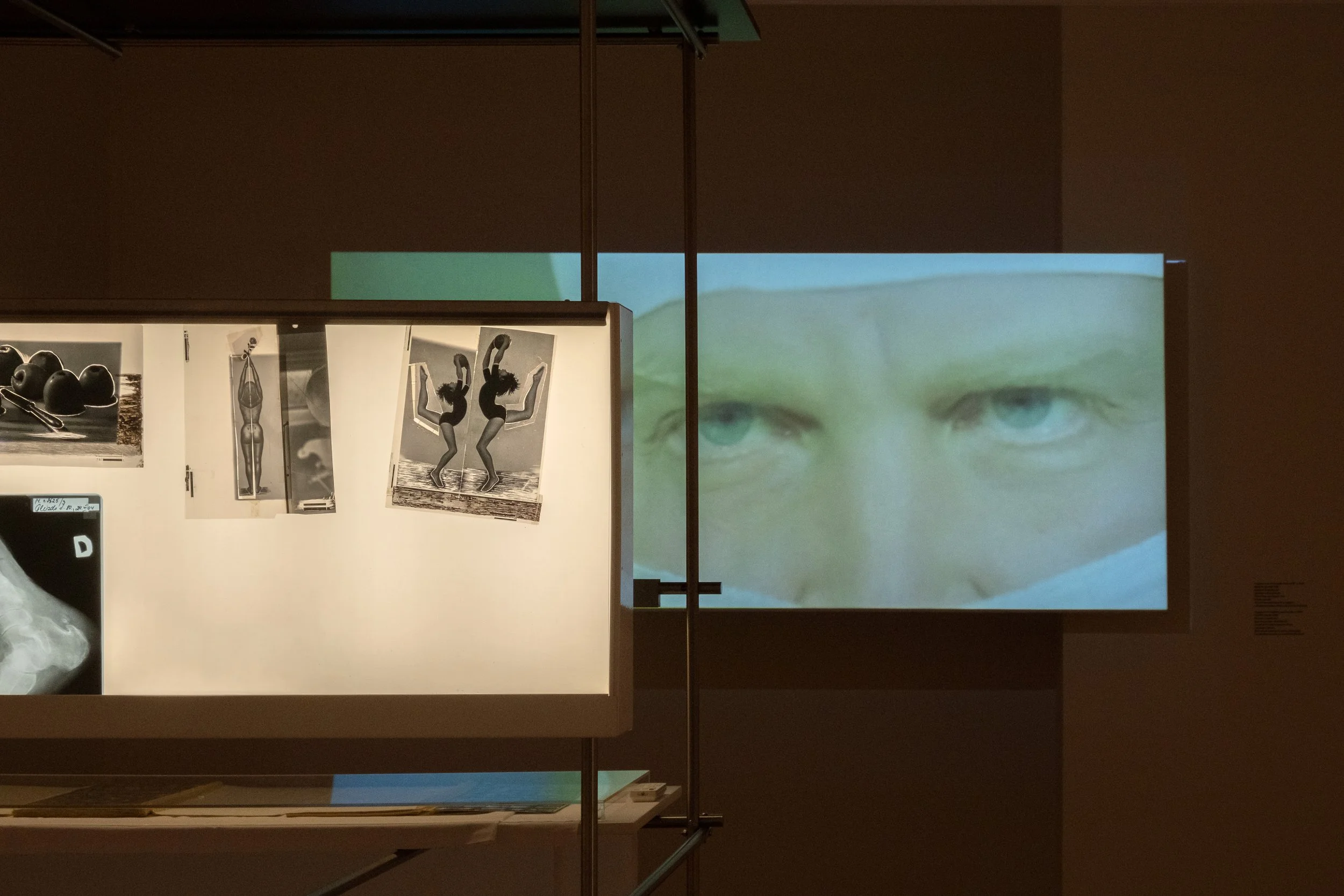
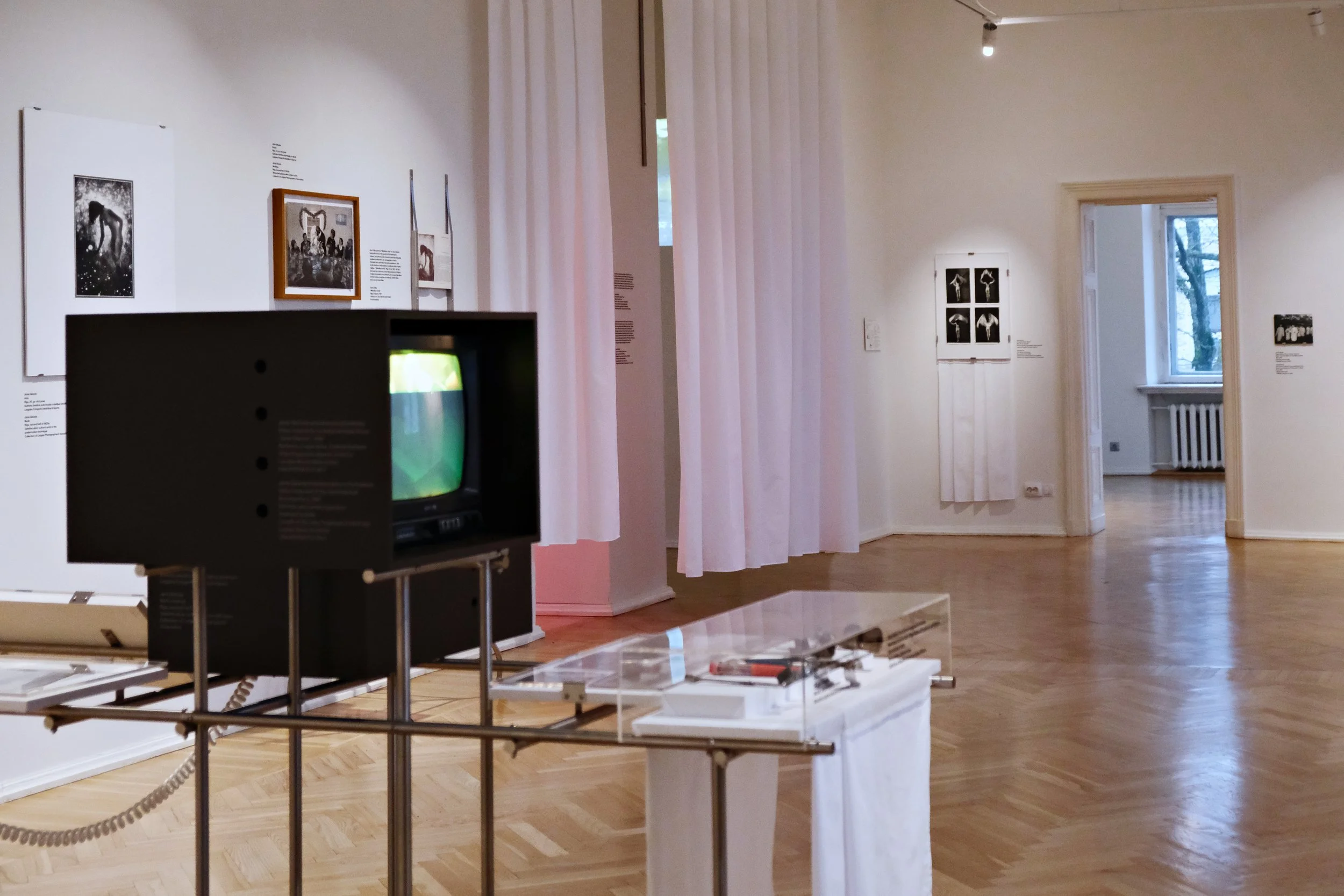
For the 1960s and 1970s society that habitually excluded people with disabilities, forcing them out of the visibility zone, the case of a young Latgalian man who came to Riga to get fitted for prosthetics and went on to became famous was an exception. Jānis Gleizds (1924–2010), the star of Riga Photography Club, had lost both hands at the age of 24. After ending up at Riga Orthopaedics and Reparative Surgery Research Institute, he started his life from scratch. Gleizds underwent a series of surgical operations that made it possible for him to train as a photographer. Offered a photo lab assistant’s post at the Institute, he stayed and spent 40 years working there. The Institute was among the most influential establishments of its kind in the USSR, fostering hundreds of theses, scientific studies and innovative surgical solutions. Jānis Gleizds recorded medical experiments in operating theatres, discussions at scientific conferences, as well as the everyday life of the hospital.
The enthusiasm of the researchers and the creative spirit that reigned at the Institute resonated with the photographic experiments of Jānis Gleizds. The sparse range of available supplies typical for the Soviet era prompted him to create ever-new combinations of image elements in his pictures and capture Gardens of Paradise where a white bedsheet could easily transform into a photo model’s pair of wings. His masterful photo collages conjured up erotic fantasies and a world of genuine emotions that brought together seemingly incompatible things – beauty and artificiality.
In a time when the official art milieu had to conform with the Soviet regime, ‘untrained’ artists – the photographer and doctors working at the Institute – were involved in developing new aesthetic canons, assigning eroticised sexual characteristics to the ideologized body of the Soviet citizen, alongside other enticing potentialities of the new artificial body we are still reluctant to accept as beautiful.
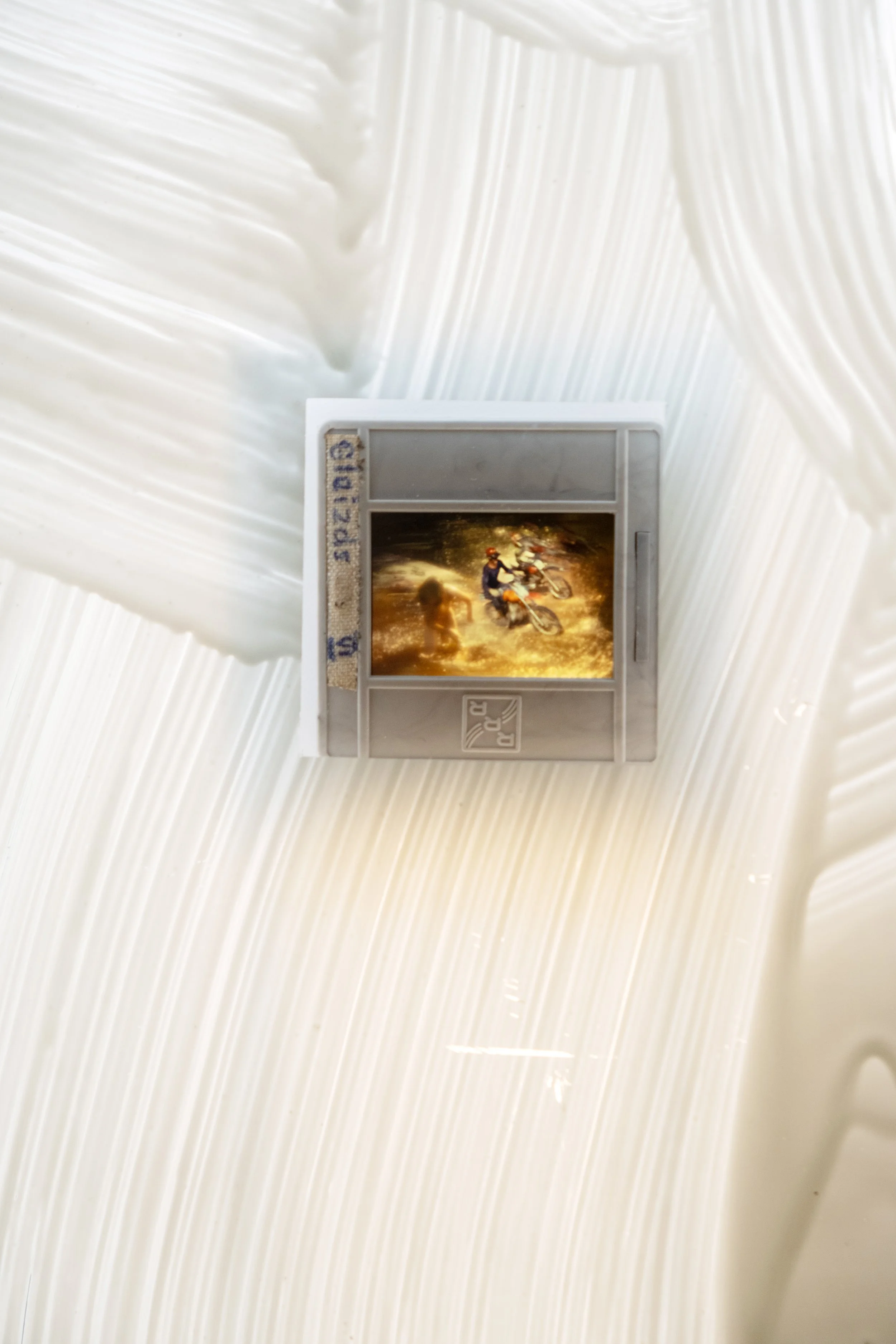
Like the surgeons working at Riga Orthopaedics and Reparative Surgery Research Institute, Jānis Gleizds was also captivated by the idea of a modified human body. Having a first-hand experience of the way the society viewed people with disabilities, he chose to capture them exclusively in the context of sports, highlighting their abilities instead of disabilities. Just like the motorists of his Motorsport photo series, the athletes with disabilities featured in the Optimists series have acquired a mechanical extension of the organic body in the domain of ever-accelerating speed.
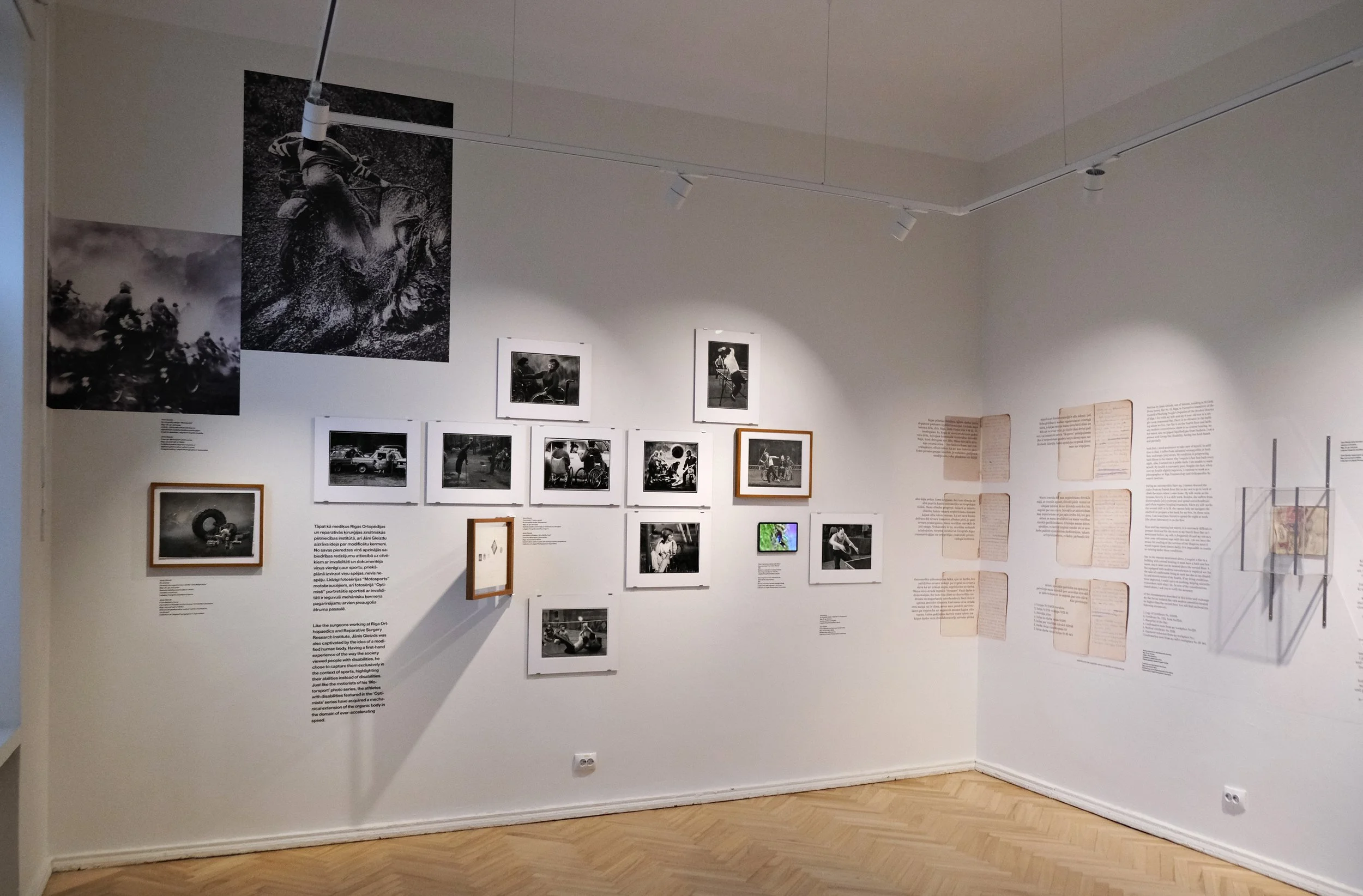
It was not easy for anyone to acknowledge openly the artificiality of a newly acquired body shape. Both Gleizds’ models and patients of the plastic surgeons tried to avoid evil tongues: the former usually averted their faces from the camera, while the latter asked the doctors that the fact of surgical intervention not be recorded in their medical files.
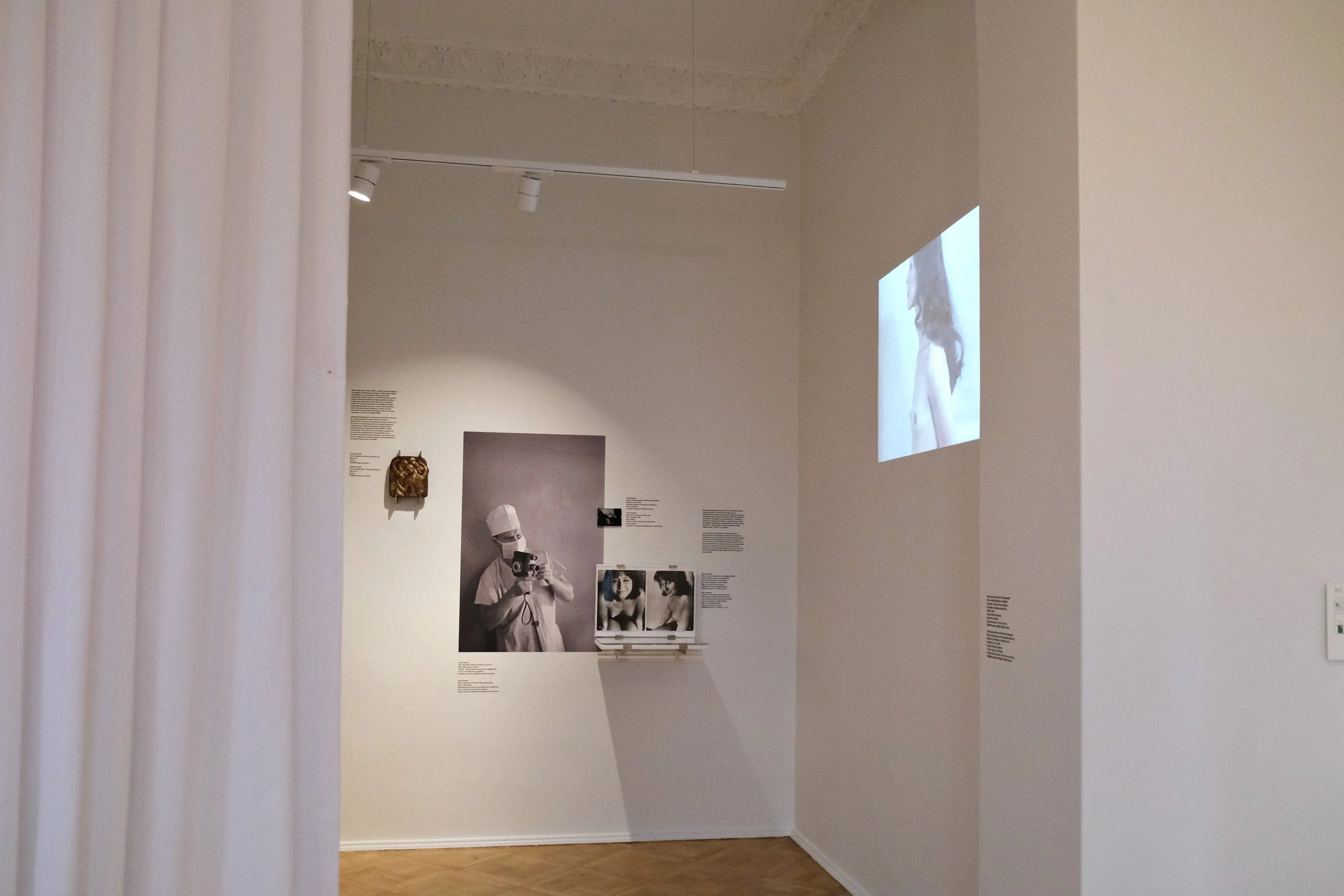
Alongside developing and practical introduction of devices for external fixation of bones, Viktors Kalnbērzs (1928–2021), luminary of experimental surgery, Director of the Latvian Traumatology and Orthopaedics Research Institute (former Riga Orthopaedics and Restorative Surgery Research Institute) between 1959 and 1994, among other things also performed plastic surgery. He earned wide recognition performing plastic breast surgeries and penile implant surgeries. Less known were the sex reassignment surgeries performed by Kalnbērzs, the first and only ones in the USSR.
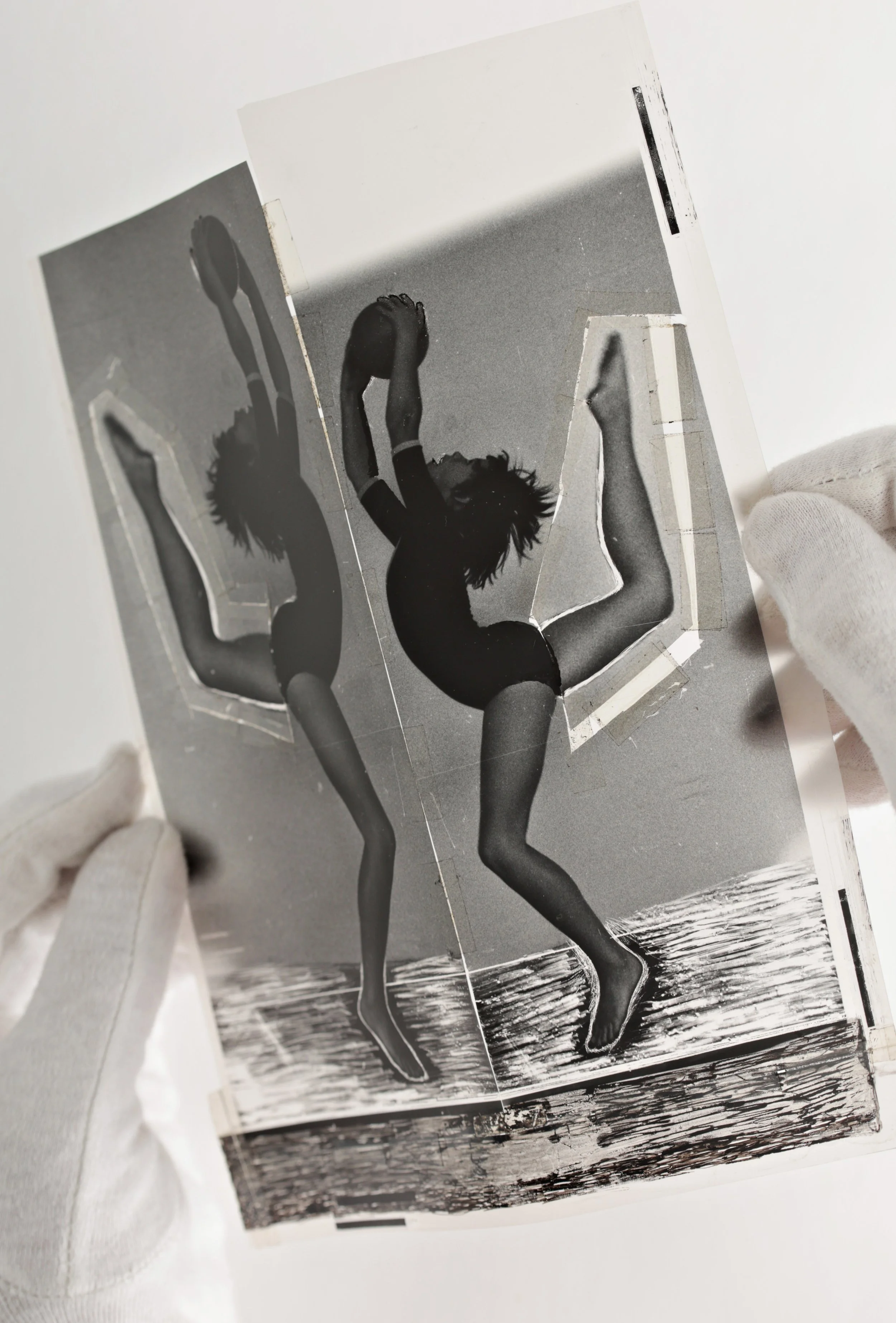
Jānis Gleizds work materials
collaged and retouched large format film positives, adhesive tape
Collection of Latgale Photographers’ Association
photo by Vladimirs Svetlovs
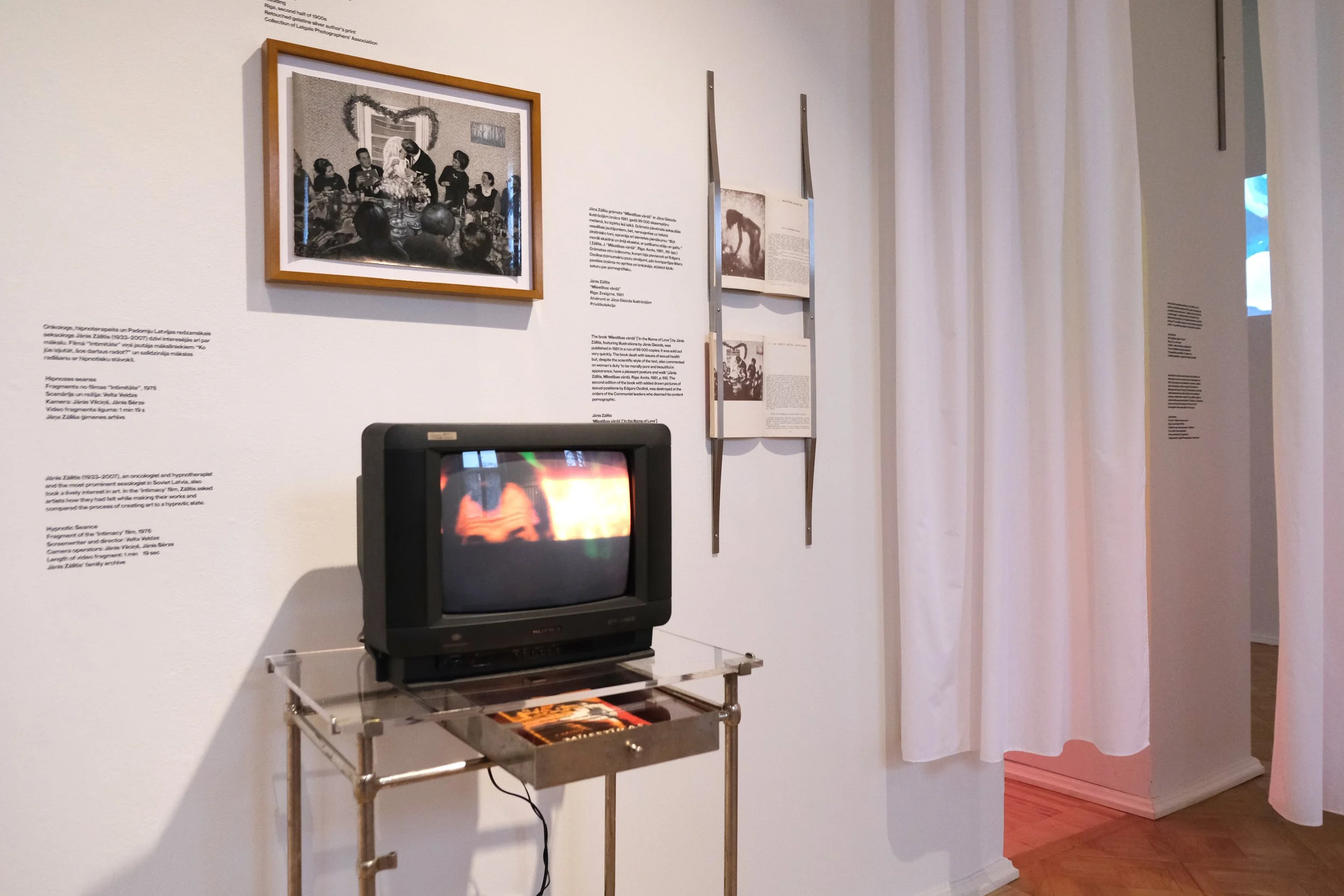
The book Mīlestības vārdā [In the Name of Love] by Jānis Zālītis, featuring illustrations by Jānis Gleizds, was published in 1981 in a run of 99 000 copies; it was sold out very quickly. The book dealt with issues of sexual health but, despite the scientific style of the text, also commented on woman’s duty ‘to be morally pure and beautiful in appearance, have a pleasant posture and walk’ (Jānis Zālītis, Mīlestības vārdā. Rīga: Avots, 1981, p. 69). The second edition of the book with added drawn pictures of sexual positions by Edgars Ozoliņš, was destroyed at the orders of the Communist leaders who deemed its content pornographic.
“Gleizds’ story is presented, in my view, in a very human way, with a certain touch of humor—I at least felt that from time to time. Of course, the selection of works is shaped by the concept of the exhibition and the narrative the curators aim to convey, namely, drawing parallels between the photographer and a medical professional—a surgeon. I find this to be an extremely compelling perspective on his body of work, especially considering how masterful Gleizds was in his manipulations and in his pursuit of creating an idealized image.”
(translated from Latvian by ChatGPT)
Iveta Gabaliņa
photographer, ISSP Gallery Programme director;
[25:35 – 29:50] “Kultūrdeva vertē”, TV show “Kultūrdeva”
“I haven’t been to an exhibition this dense in a long time. The story itself is almost unbelievable, and I think everyone takes away something different because there are so many themes—medicine, innovations in medicine, family matters that at the time were suppressed (throughout the USSR this was a major taboo), as well as photography as an art form and even as a life path. All of this together creates a very rich aftertaste. What I took from it (though I don’t know if that was the curators’ intention) is the idea that true creativity faces no obstacles—especially considering the photographic techniques that Gleizds developed. It’s not just about “snapping a picture,” something that might still be relatively manageable even with prosthetic hands, but also about how much time he devoted to creating intricate work, manipulating images to achieve a different, idealized vision.”
(translated from Latvian by ChatGPT)
Sandis Voldiņš
Chairman of the Board of the Latvian National Opera and Ballet;
[30:10 – 31:30], TV show “Kultūrdeva”
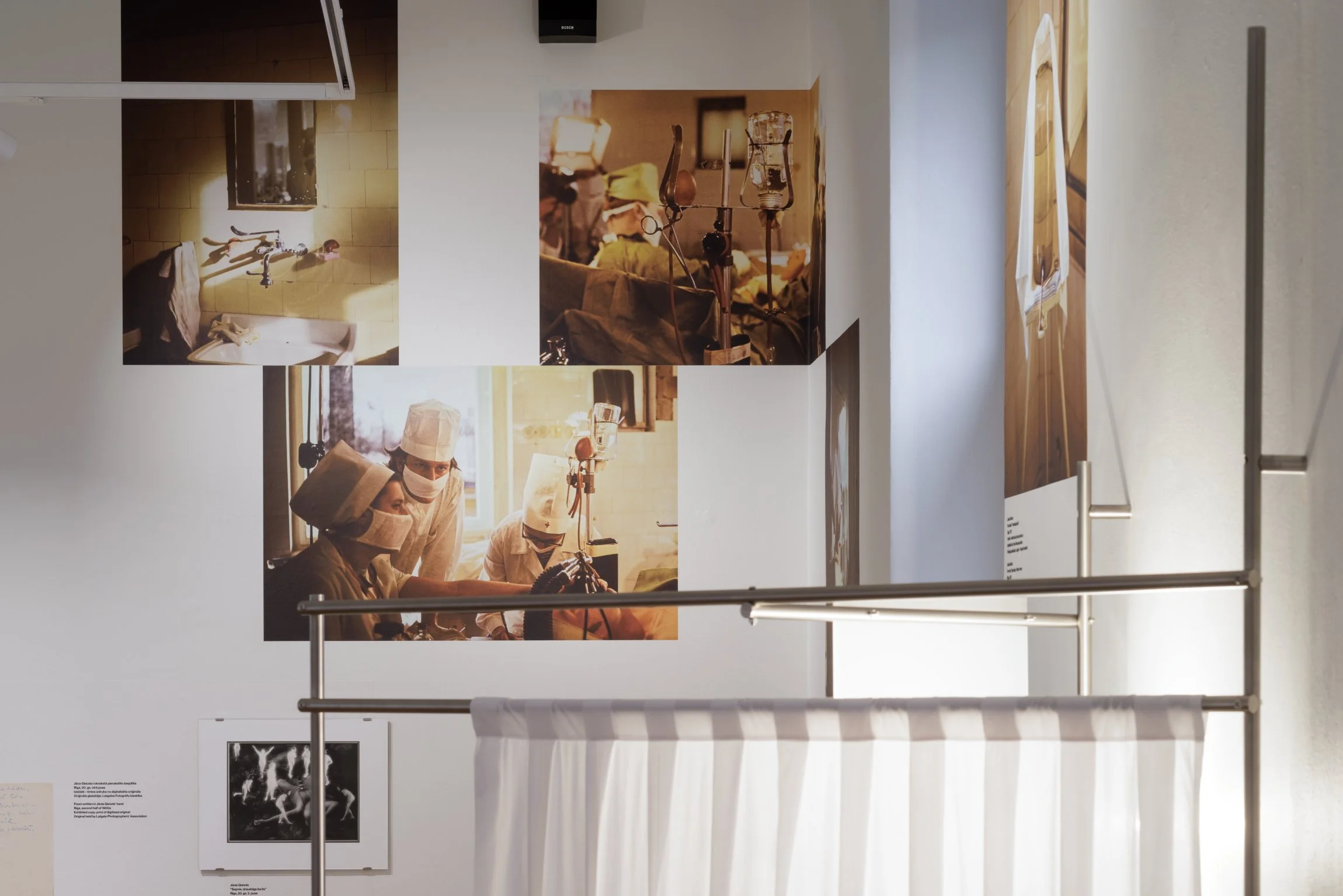
photo by Ansis Starks
“By emphasizing analogies between how a photographic artist constructs an image and how surgeons assemble, repair, or enhance the body, the exhibition brings to the fore themes that were either problematic during the Soviet era or have become so today.”
(translated from Latvian by ChatGPT)
Alise Tifentale
“Izohēlija un inscenējums beidzot atkal modē”,
fotokvartals.lv
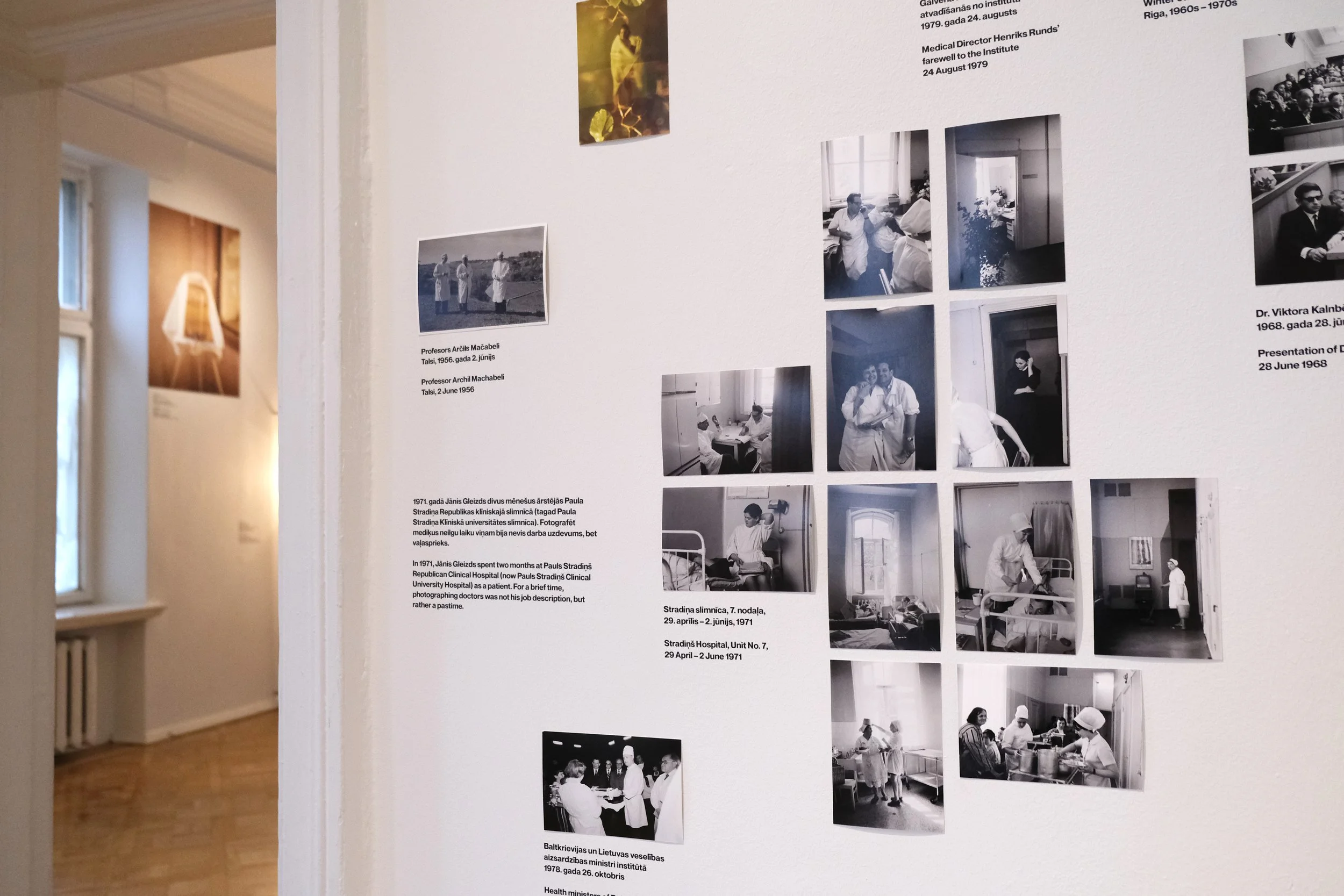
“The exhibition features many of Gleizds’ experiments with collage and retouching, and the curators have very successfully drawn parallels between the artist’s interest in medical processes and his artistic photography process.”
(translated from Latvian by ChatGPT)
Ieva Raudsepa
“Gleizda Montāža”, LSM.lv
See also:
Photography as surgery, radio interview with the exhibition’s curators and architect (in Latvian), Kultūras rondo, Latvijas Radio
10 objects chosen by the curators (in Latvian), arterritory.com
Motorcycles, women, surgeons guided radio tour with the curators (in Russian), Radio Svoboda
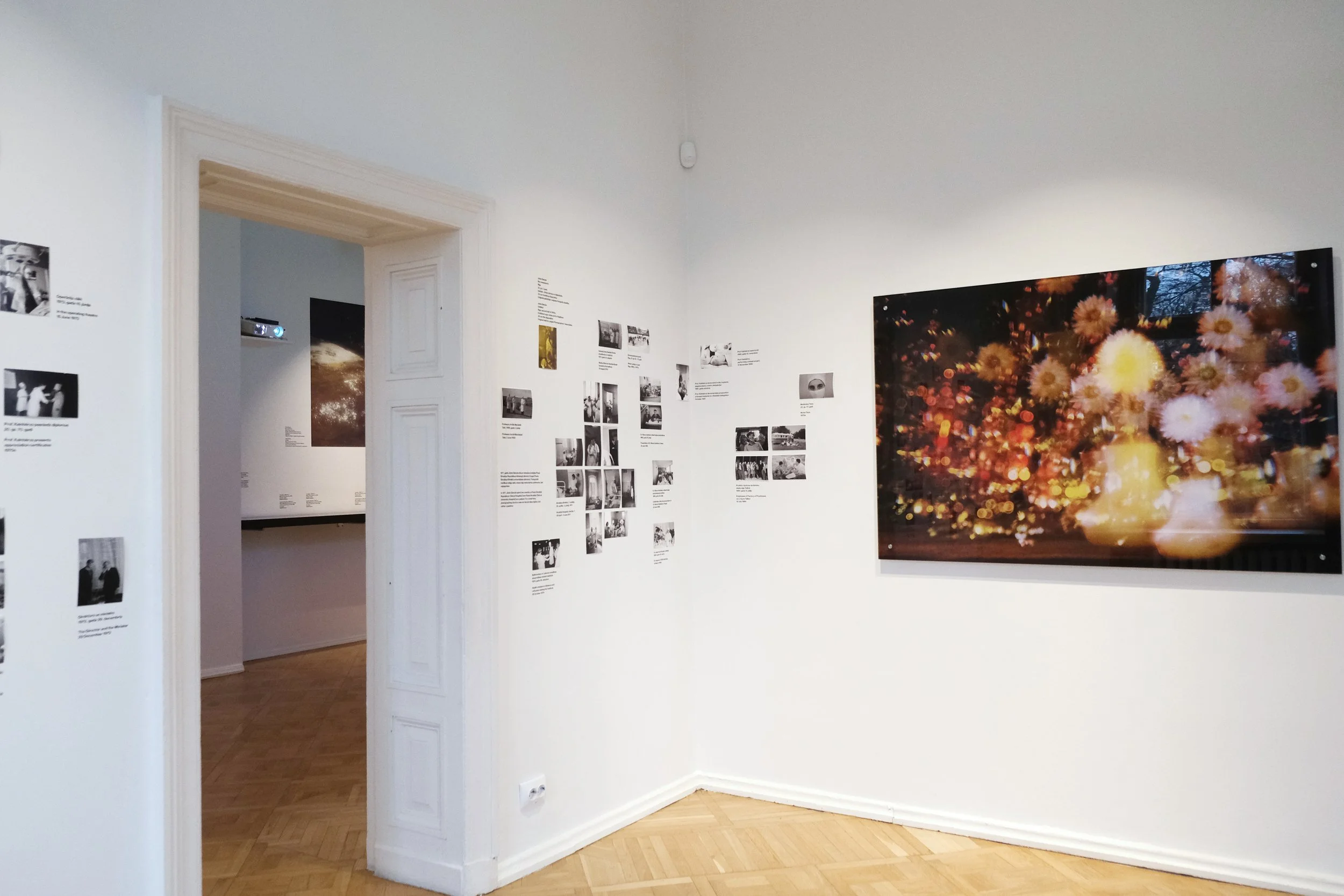
“The exhibition does not emphasize Gleizds’ excellence at every turn; instead, it introduces us to him as an individual whose life trajectory was clearly shaped by the political regime.”
(translated from Latvian by ChatGPT)
Daniela Zālīte
“Gleizdniecības piederumi”, satori.lv