Arcadia. Kopīgie dārzi /Gardens in common by Anastasia Tsayder
Limited edition of 150 copies
In Latvian and English
Hardcover
212x295 mm
196 pages, 91 image
ISBN 978-9934-591-15-0
Many people would tell you, looking at these photographs by Anastasia Tsayder, that what they're looking at are quintessentially post-Soviet, Eastern European images. They might enjoy them as documents of a unique and unusual civilization that has fallen into desuetude; conversely, or at the same time they might see them as evidence of the awful state of Homo Sovieticus, a species apparently incapable of caring for its own environment, and left bewildered by the refusal of the state to continue providing this care. Looking out of my window in a small block of council flats in a pleasant part of London, I find both reactions a little puzzling. The environment documented here – a landscape of optimistic but standardized post-war housing, whose green spaces have been overtaken by nature, is almost exactly what I can see when I look from the walkways of my block. — Owen Hatherley, from the book’s afterword.
Photography: Anastasia Tsayder
Sequence: Anna Volkova
Afterword: Owen Hatherley
Book design: Alexey Murashko
Translations: Valts Miķelsons, Andris Kuprišs
Editors: Vladimirs Svetlovs, Anastasia Tsayder, Anna Volkova
Book design: Alexey Murashko
Supported by the Heinrich Böll Foundation, Garage Museum of Contemporary Art; State Culture Capital Foundation of Latvia and Orbīta
Arcadia. Kopīgie dārzi /Gardens in common by Anastasia Tsayder
Limited edition of 150 copies
In Latvian and English
Hardcover
212x295 mm
196 pages, 91 image
ISBN 978-9934-591-15-0
Many people would tell you, looking at these photographs by Anastasia Tsayder, that what they're looking at are quintessentially post-Soviet, Eastern European images. They might enjoy them as documents of a unique and unusual civilization that has fallen into desuetude; conversely, or at the same time they might see them as evidence of the awful state of Homo Sovieticus, a species apparently incapable of caring for its own environment, and left bewildered by the refusal of the state to continue providing this care. Looking out of my window in a small block of council flats in a pleasant part of London, I find both reactions a little puzzling. The environment documented here – a landscape of optimistic but standardized post-war housing, whose green spaces have been overtaken by nature, is almost exactly what I can see when I look from the walkways of my block. — Owen Hatherley, from the book’s afterword.
Photography: Anastasia Tsayder
Sequence: Anna Volkova
Afterword: Owen Hatherley
Book design: Alexey Murashko
Translations: Valts Miķelsons, Andris Kuprišs
Editors: Vladimirs Svetlovs, Anastasia Tsayder, Anna Volkova
Book design: Alexey Murashko
Supported by the Heinrich Böll Foundation, Garage Museum of Contemporary Art; State Culture Capital Foundation of Latvia and Orbīta
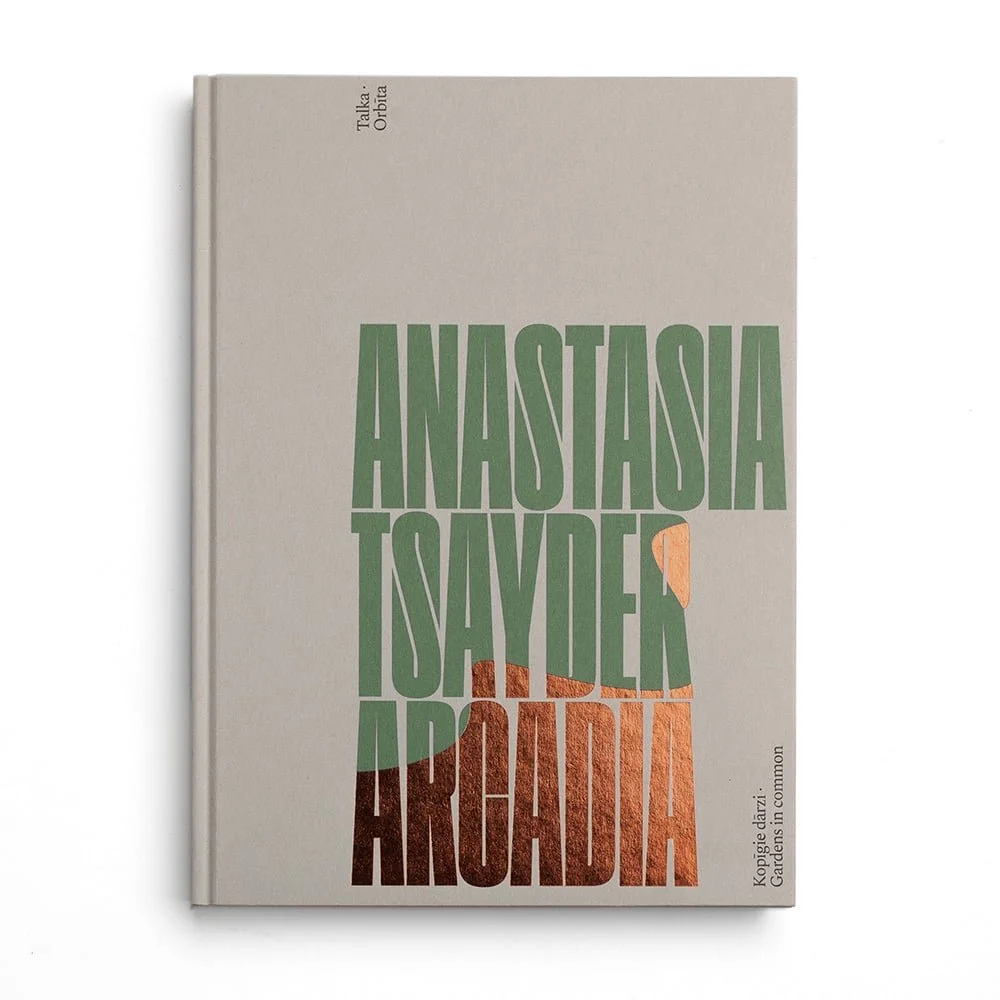 Image 1 of 16
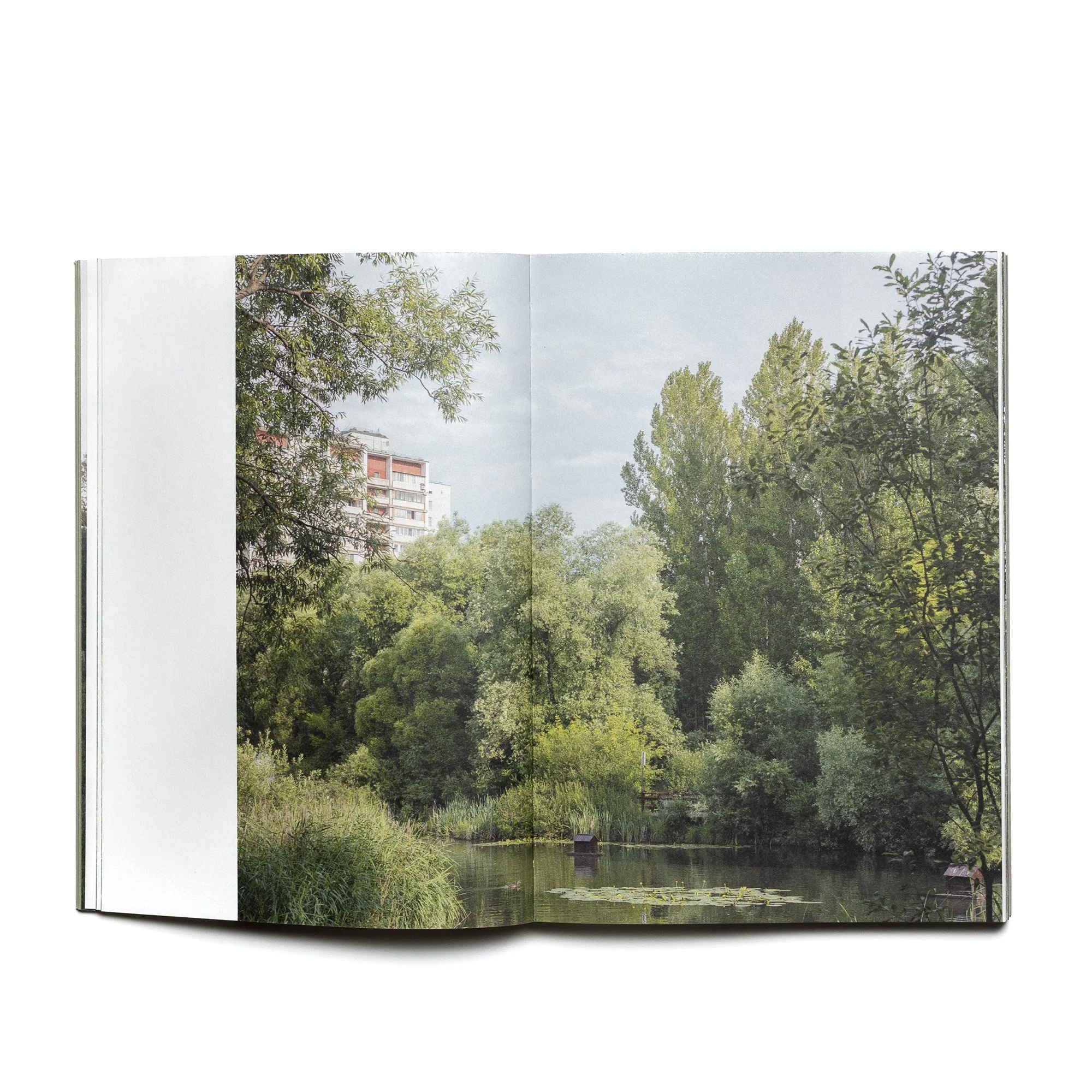 Image 2 of 16
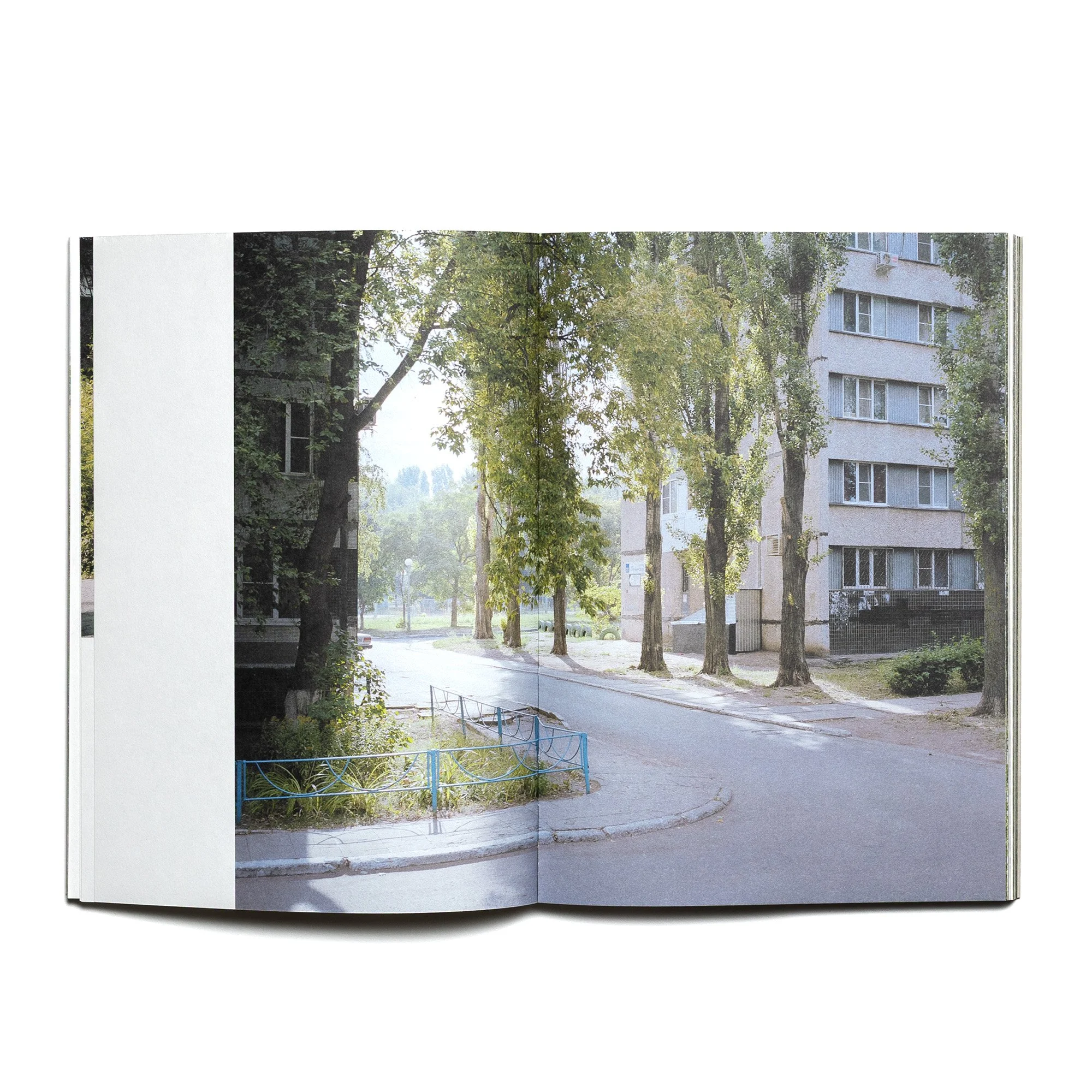 Image 3 of 16
 Image 4 of 16
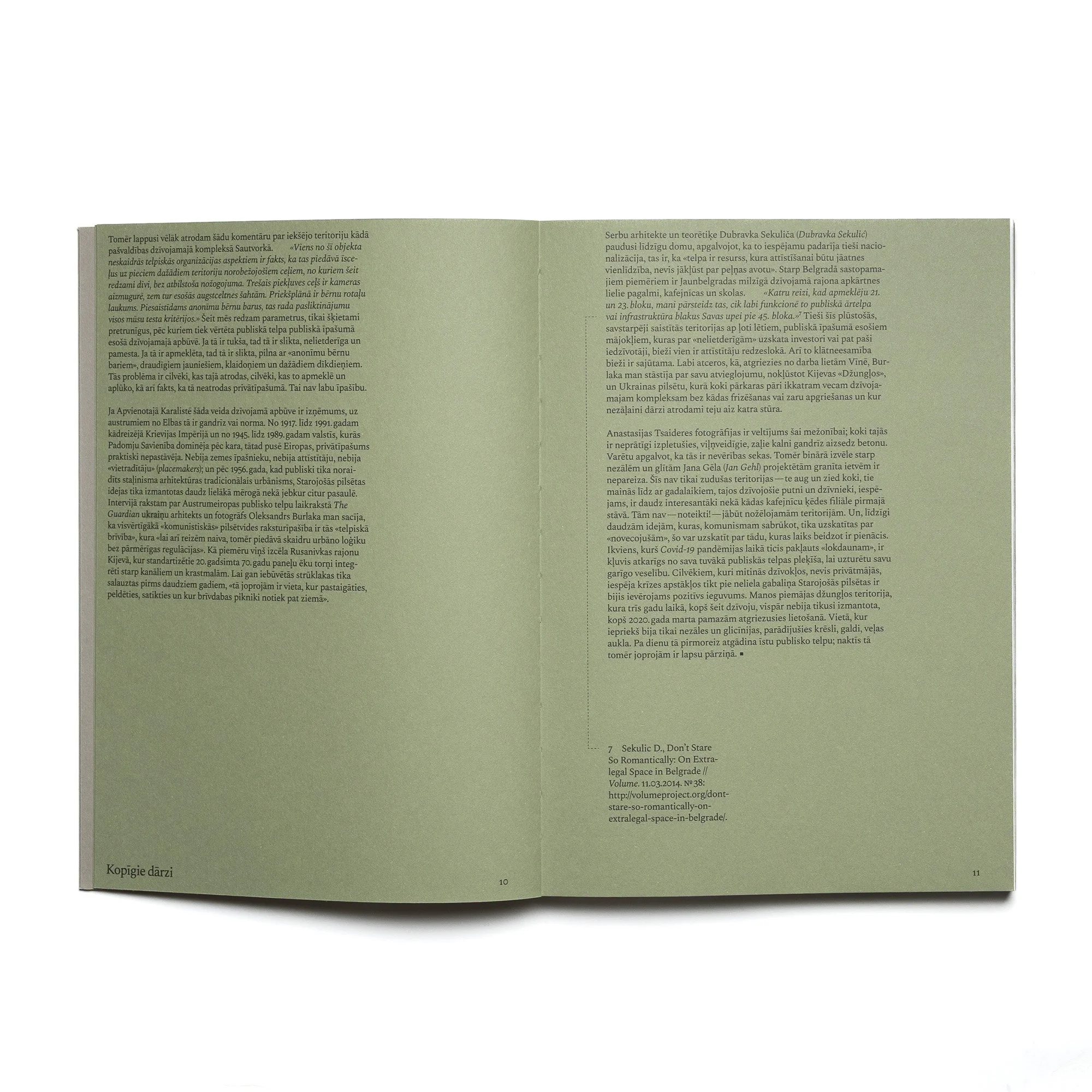 Image 5 of 16
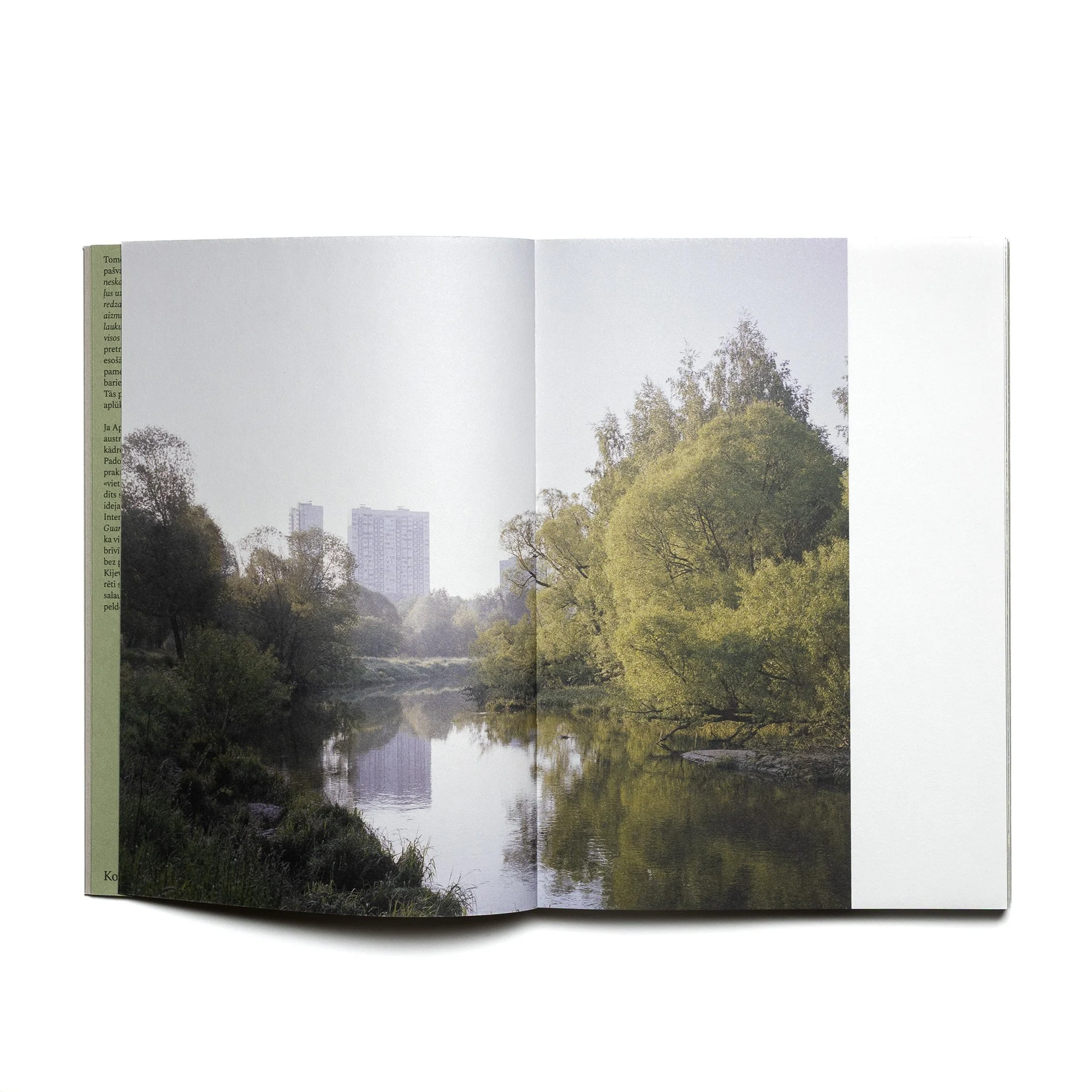 Image 6 of 16
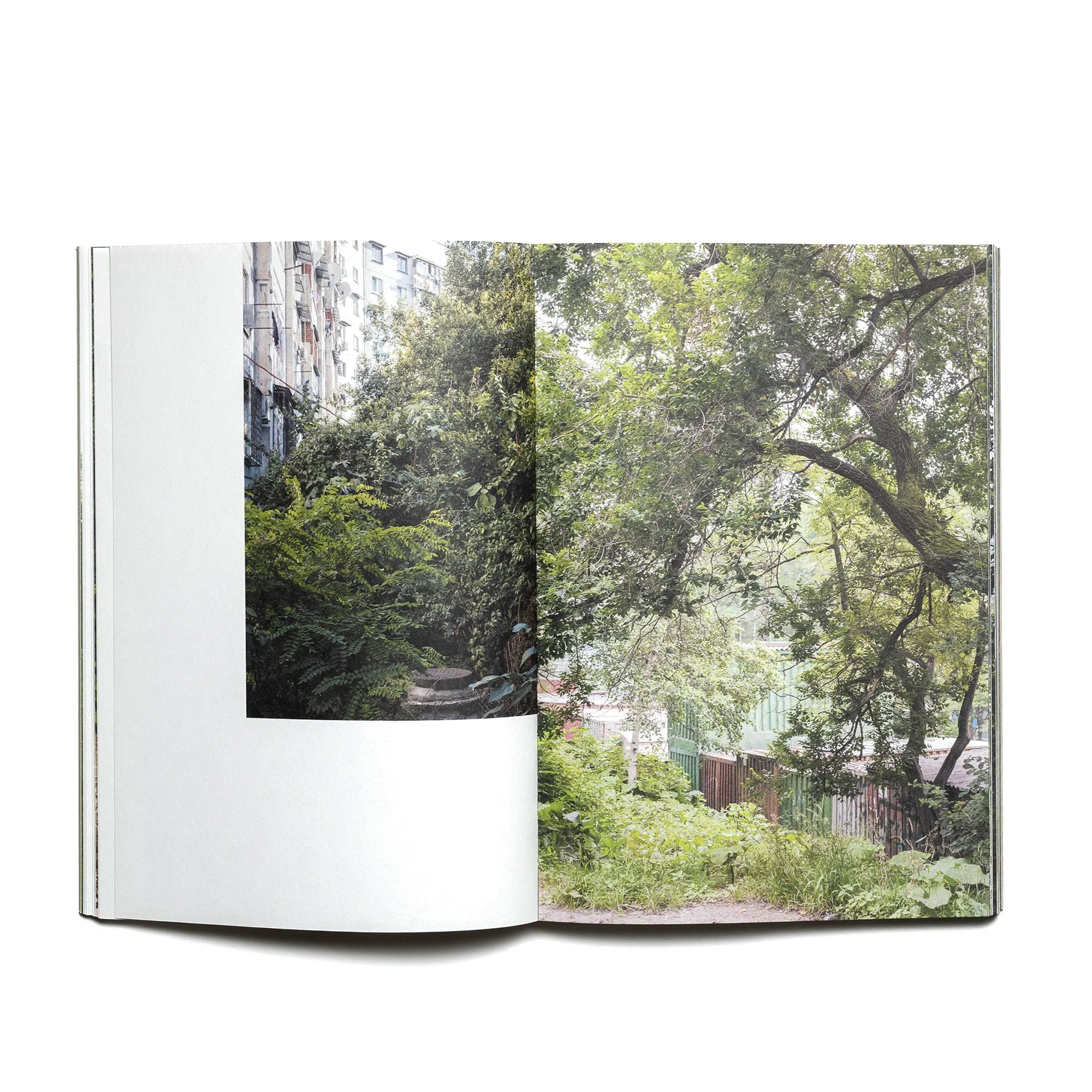 Image 7 of 16
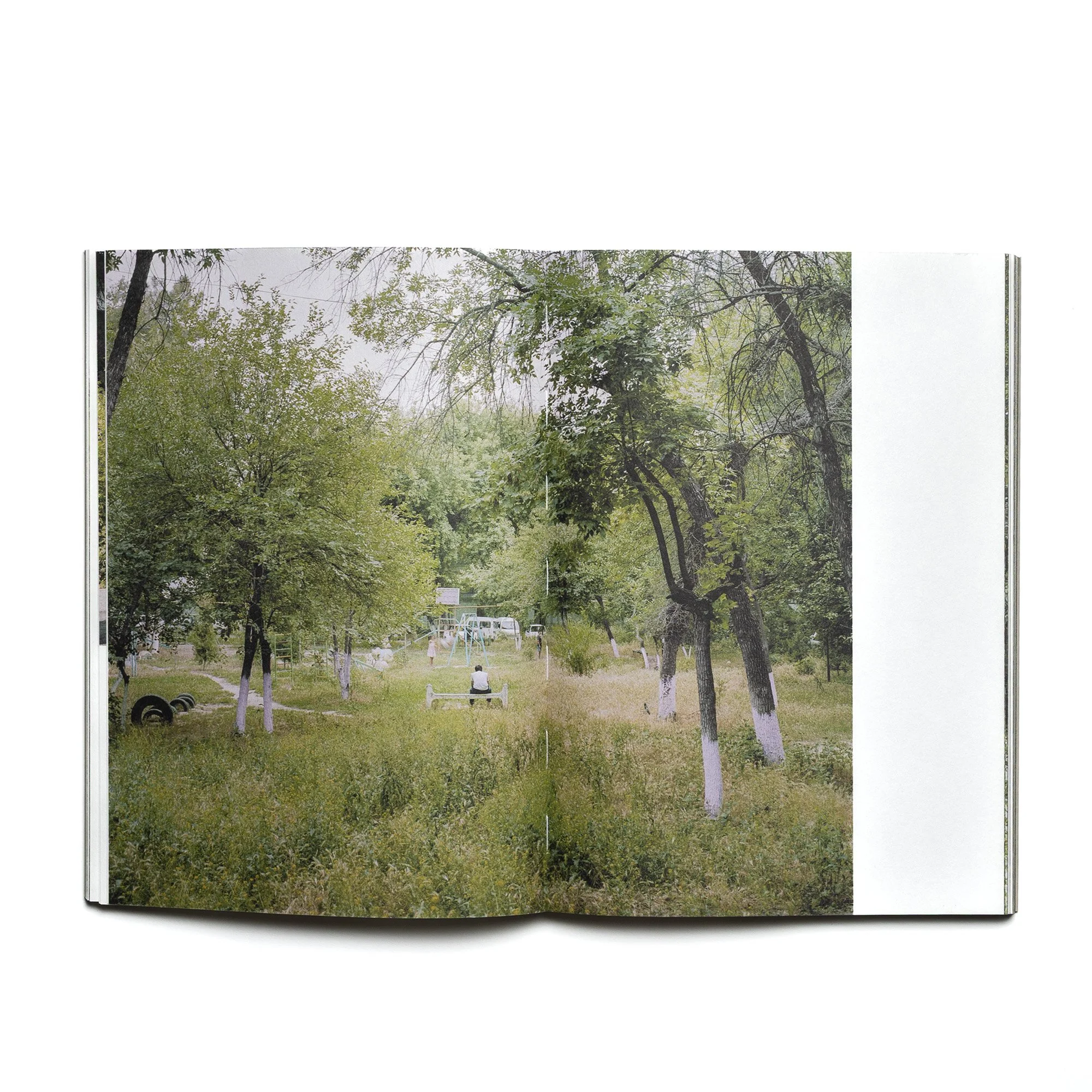 Image 8 of 16
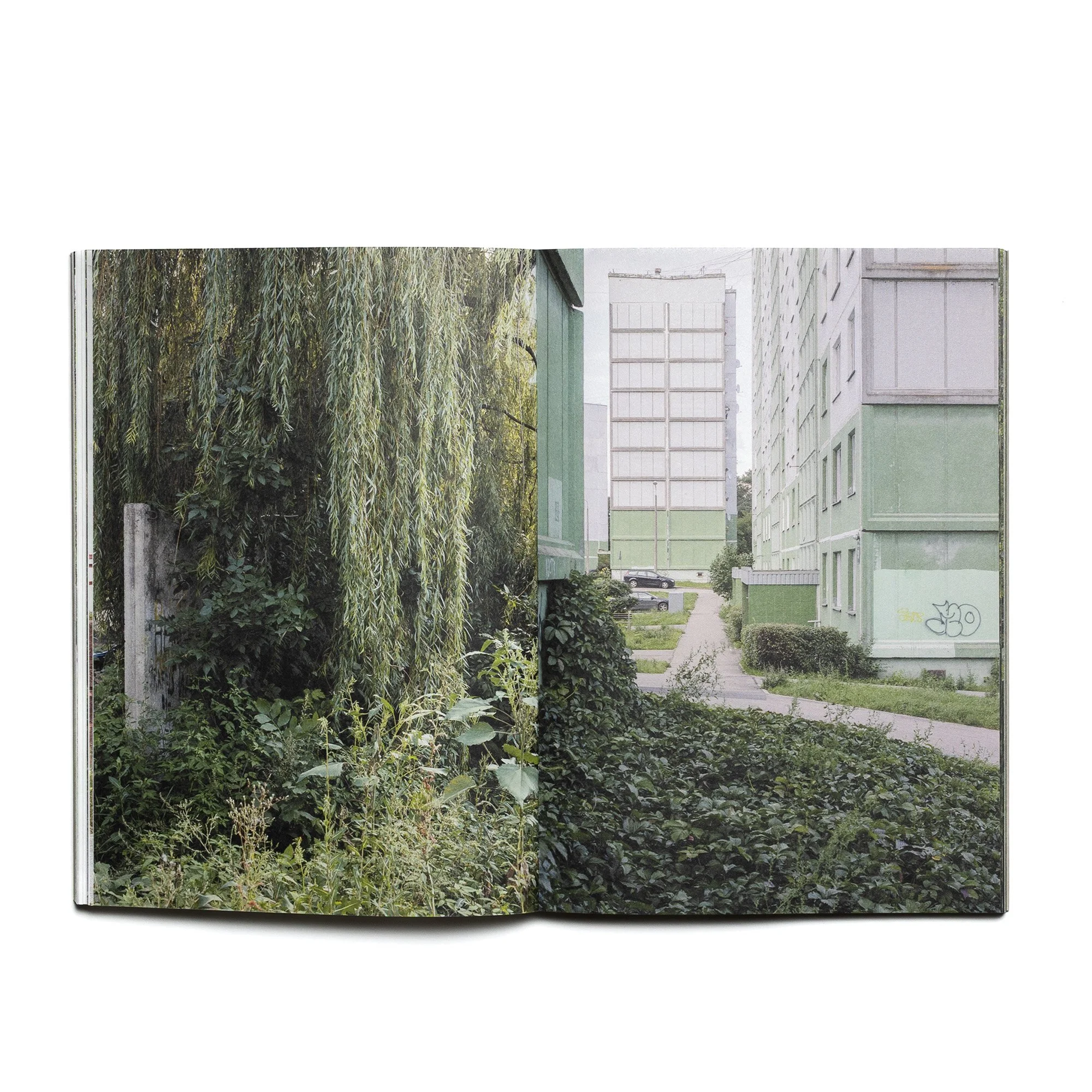 Image 9 of 16
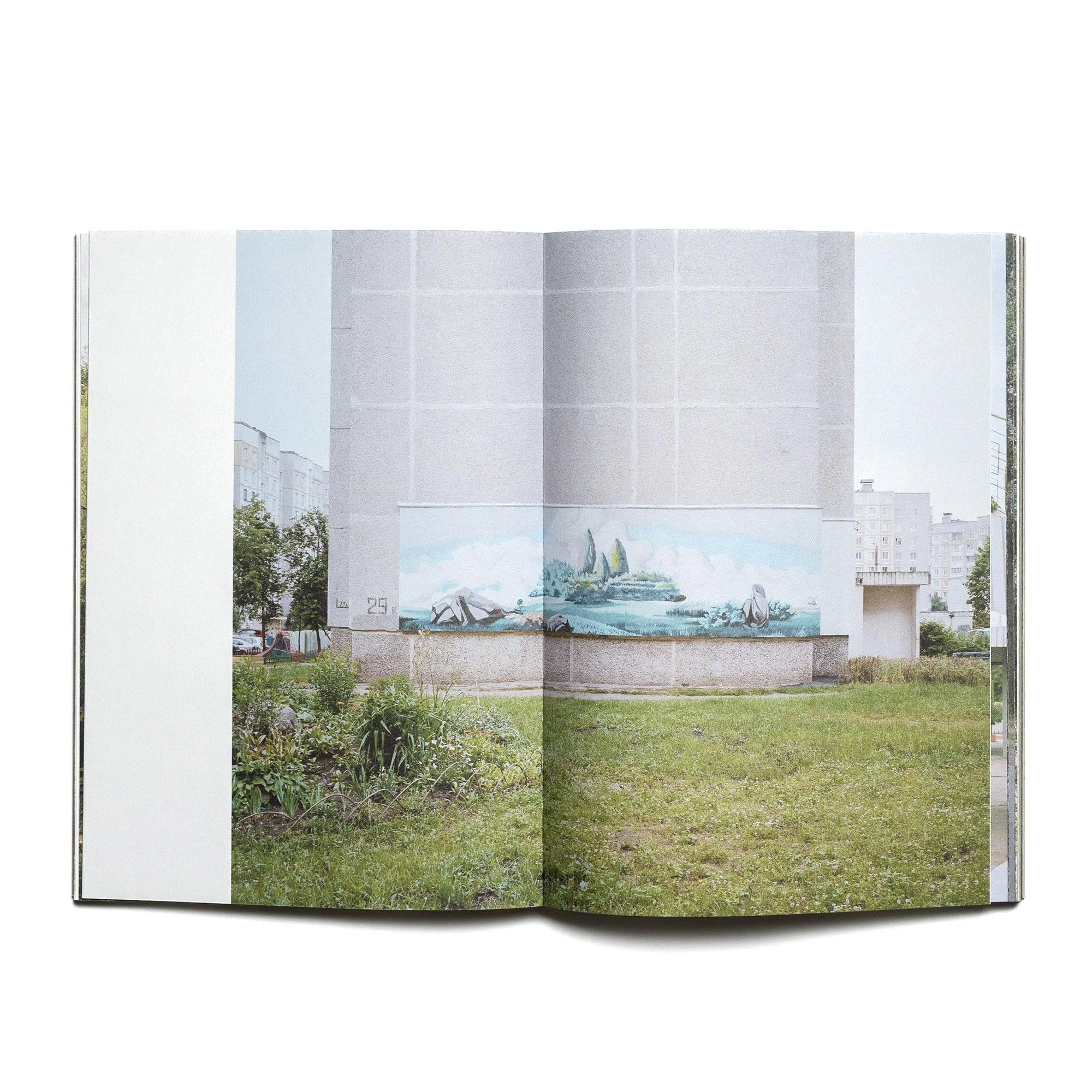 Image 10 of 16
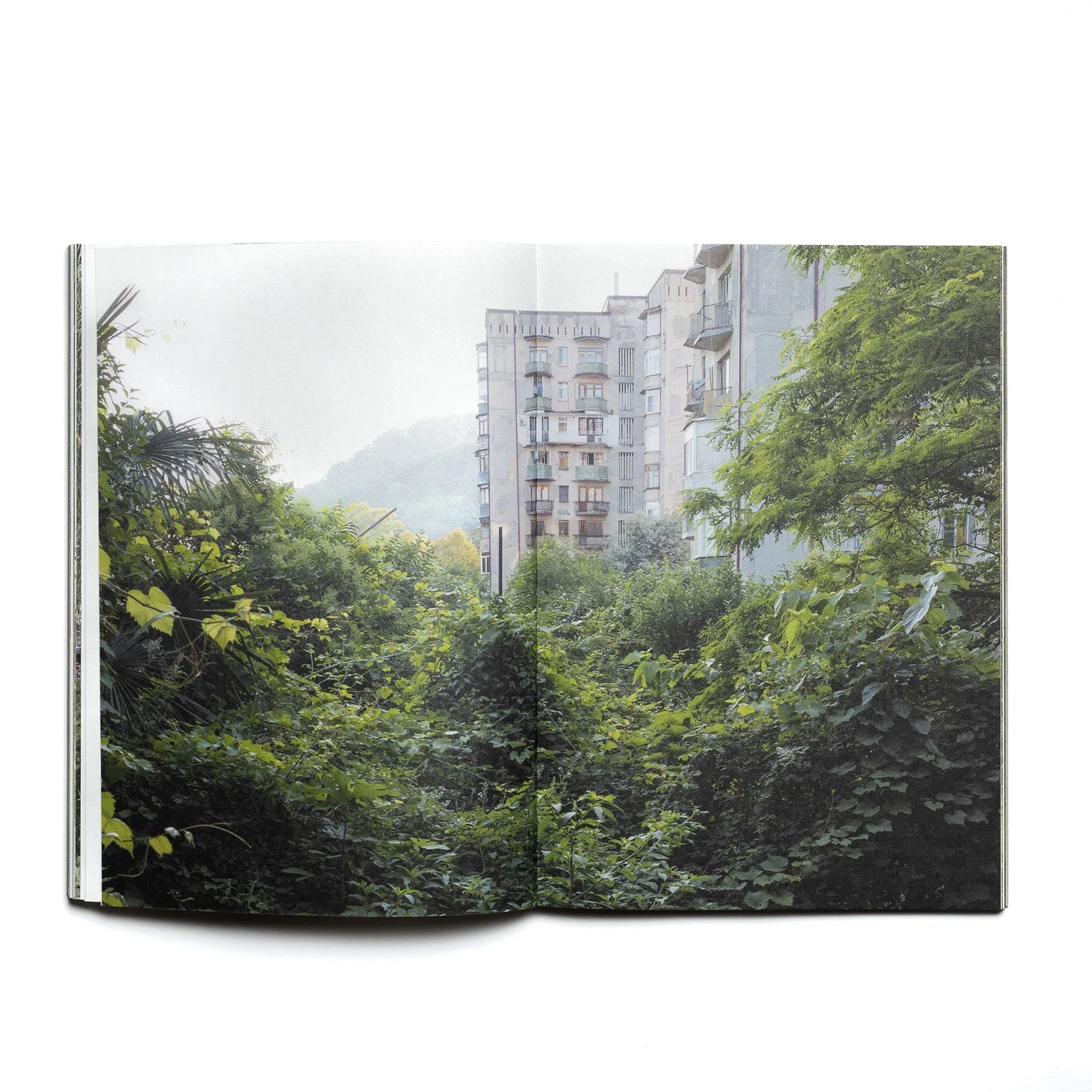 Image 11 of 16
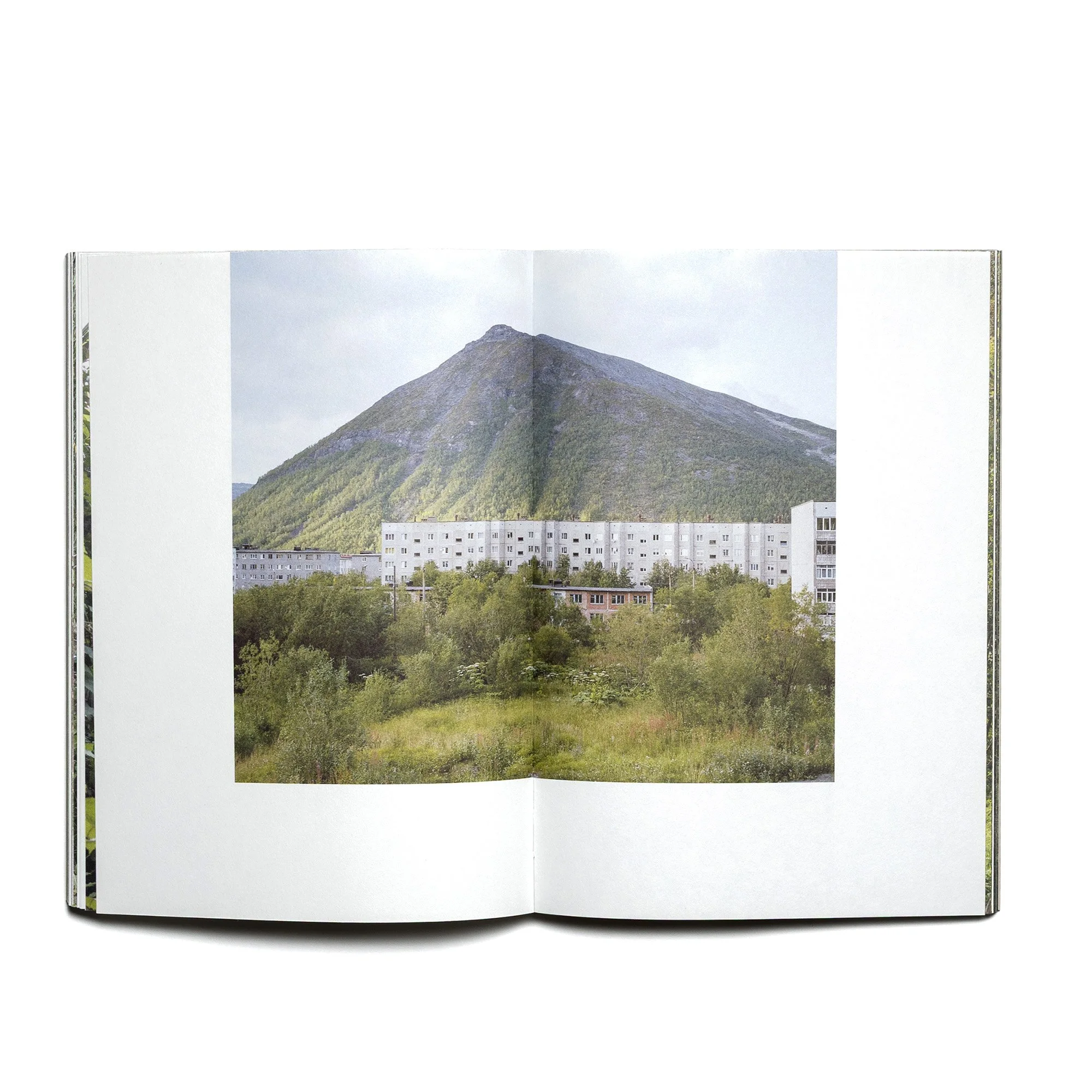 Image 12 of 16
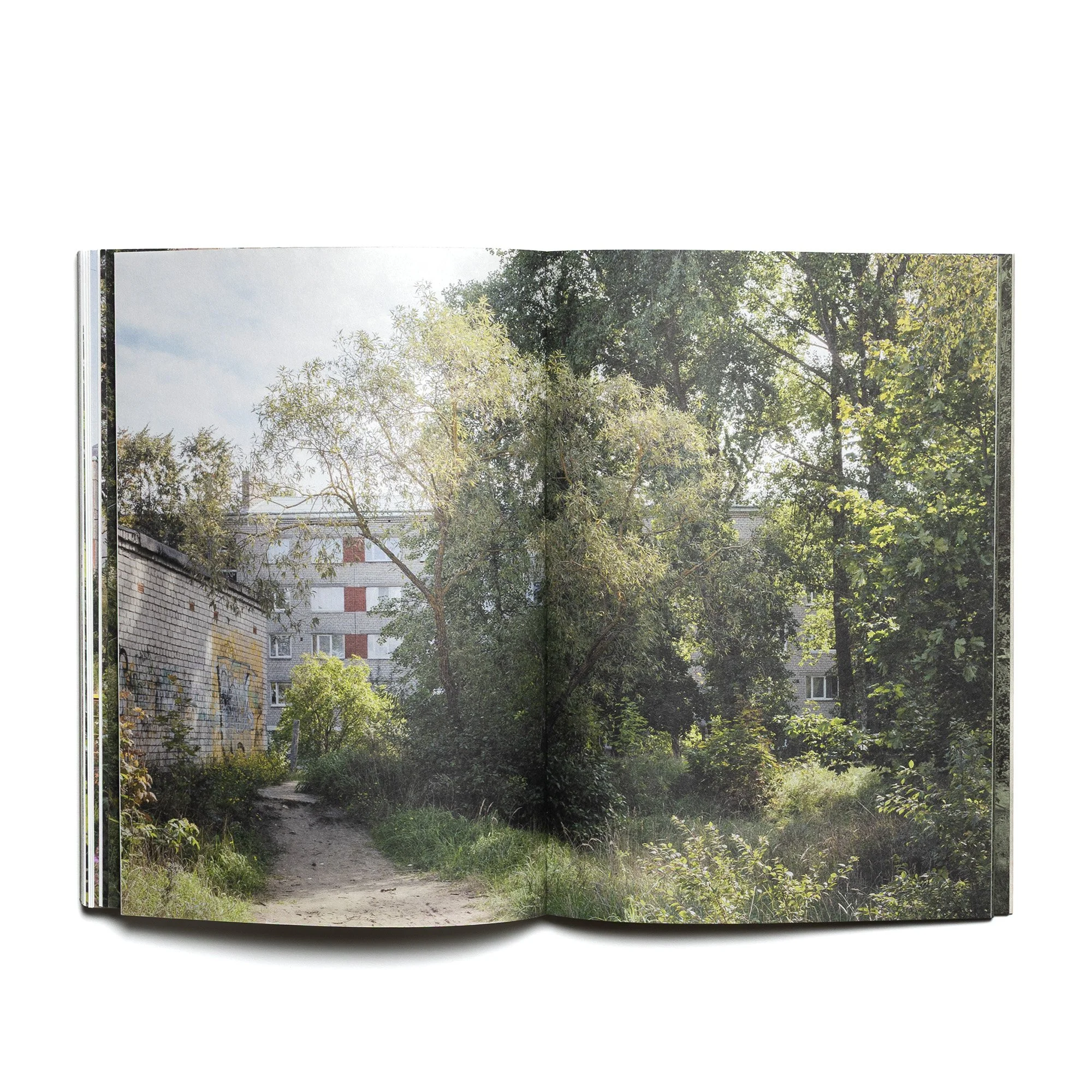 Image 13 of 16
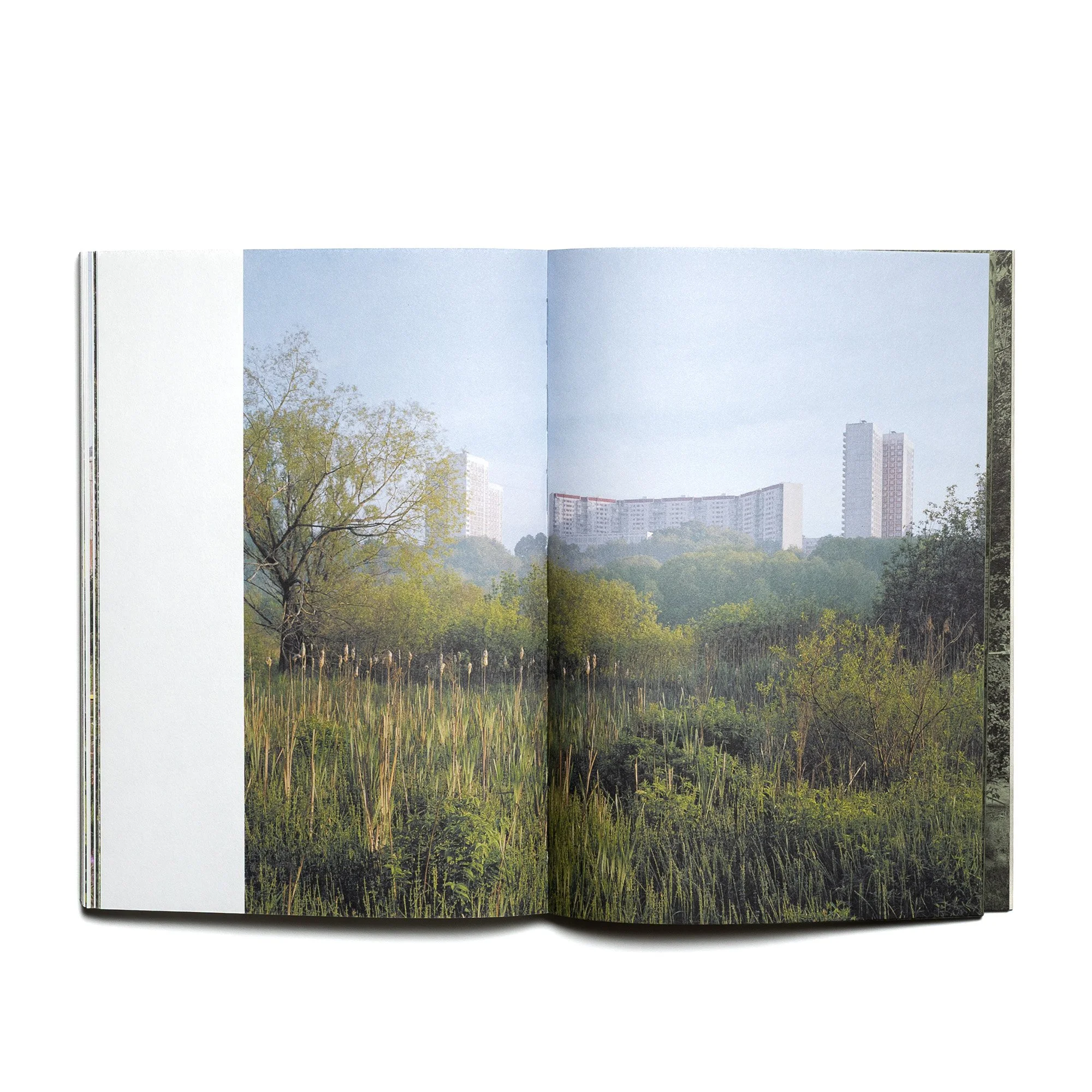 Image 14 of 16
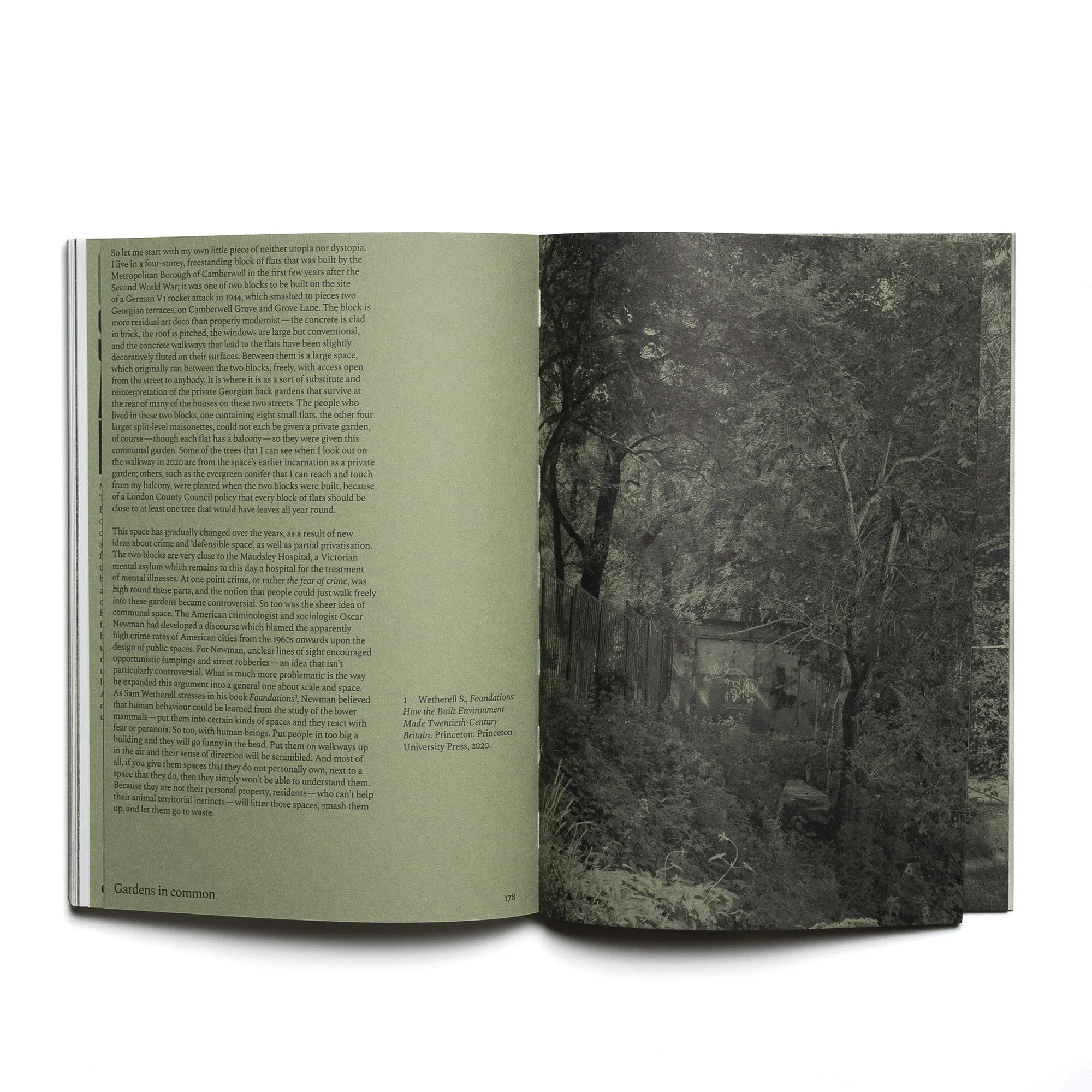 Image 15 of 16
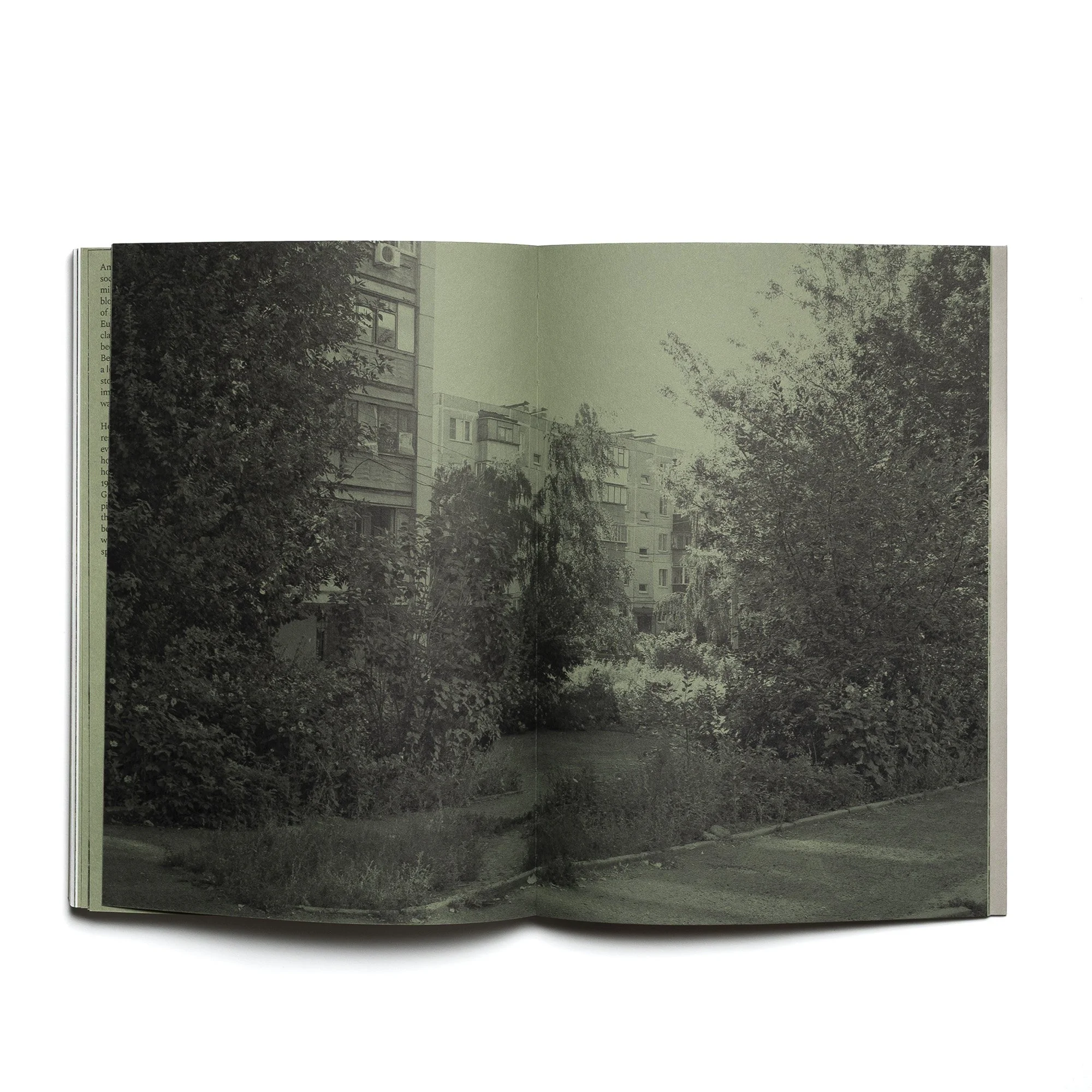 Image 16 of 16